Air Handling Unit vs. Rooftop Unit: Key Differences
An air handling unit processes conditioned air and circulates it through a building. A rooftop unit combines heating, cooling, and air handling in a single package. Selecting between them depends on building size, mechanical room availability, and maintenance access requirements.
- Air handling units require a separate mechanical room and are better for larger or multi-zone buildings.
- Rooftop units are self-contained packages that save floor space but limit service access.
- HVAC equipment comparison should focus on total installed cost, not just unit price.
- AHU vs RTU decisions often depend on whether the building has a dedicated mechanical space.
- Maintenance planning must consider whether technicians can reach the unit easily after installation.
What is the core structural difference?
An air handling unit is a dedicated component that moves, filters, and condition air. It typically sits inside a building, often in a basement or dedicated mechanical room. The unit contains fans, coils, and air distribution ducting. It relies on external heat sources or chillers to handle the actual heating and cooling load. A rooftop unit is a self-contained package. It combines the air handling functions with the refrigeration system in one box. The unit sits on or near the roof. It handles heating, cooling, and air distribution in a single assembly.
The structural difference drives most of the selection process. AHUs are modular. You can size the fan separately from the coils. You can add or remove ductwork as the building grows. RTUs are fixed in capacity. Once the unit is on the roof, the total heating and cooling output is set. You cannot easily add a coil or a fan without replacing or modifying the entire package.
How does the placement change the installation?
Placing an AHU inside the building requires a mechanical room. That room needs a floor that can support the unit weight, usually several tons. It also needs space for ductwork, piping, and access for maintenance. The room must be ventilated or conditioned if the equipment generates heat.
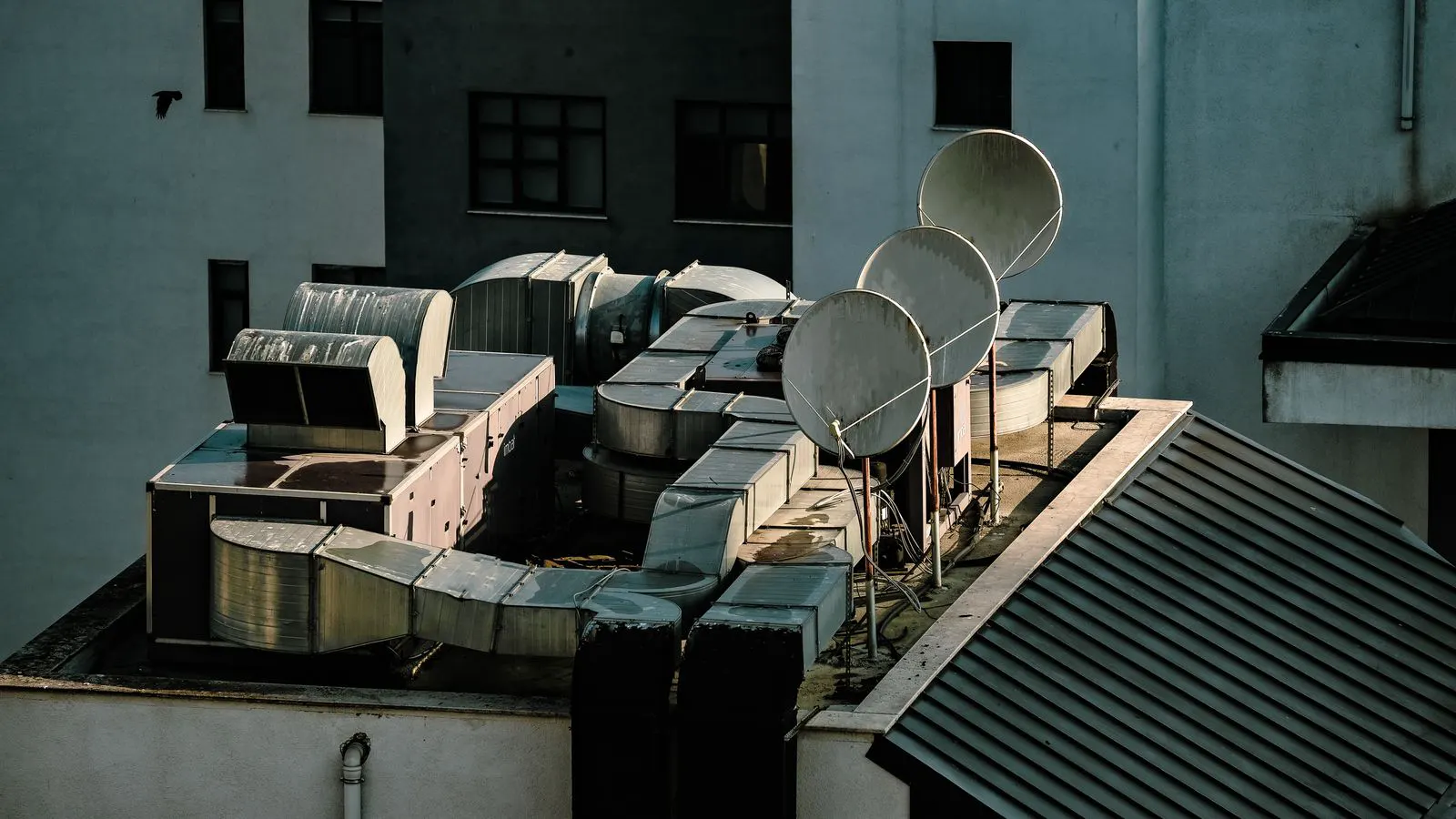
Rooftop installation avoids the need for an interior mechanical room. The unit goes on the roof, a parapet, or a ground-level pad. This frees up floor space. It also allows the heat rejection from the condenser to happen outdoors. However, roof installation requires structural evaluation. The roof must support the dead load of the unit, the vibration load from the fans, and the dynamic loads during operation. It also requires weatherproofing for the duct connections and electrical penetrations.
How do the systems handle air distribution?
AHUs work with a full ductwork system. The unit blows air into supply ducts. Return air comes back through return ducts. This setup allows for precise temperature control in different zones. You can install dampers, VAV boxes, and reheat coils to adjust airflow to specific areas. The ductwork is inside the building, so it is protected from weather but takes up ceiling or floor space.
RTUs also use ductwork, but the system is usually simpler. The unit blows air out the roof or ground level into the building. The return air often comes from the occupied space or a dedicated return duct. RTUs are more common in single-zone or small multi-zone buildings. The air distribution is less flexible. Changing the zone configuration after installation is difficult because the unit is fixed.
How do maintenance access and service differ?
Maintenance access is a major factor in the long-term cost of ownership. AHUs sit in a mechanical room. Technicians can walk around the unit. They can replace filters, clean coils, and service the fans without climbing a roof or working in a tight space. This makes routine maintenance faster and safer. It also allows for easier troubleshooting. If a sensor fails or a motor burns out, the part is usually accessible.
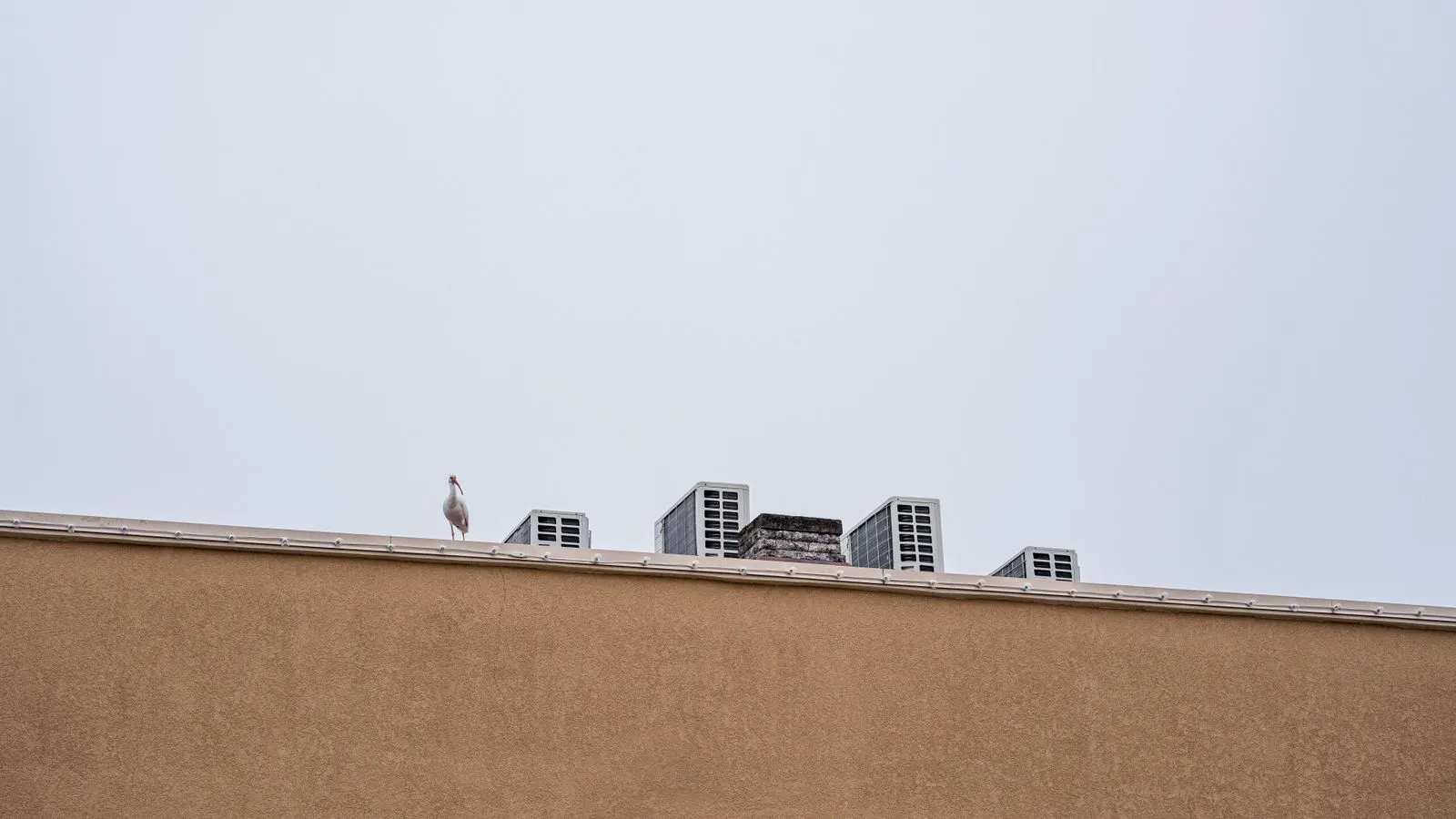
RTUs sit on the roof. Service access requires climbing ladders or using a lift. The unit is exposed to weather. The condenser coils collect dust, leaves, and bird nests. The fans and motors are often on top of the unit. Technicians must work in heat, wind, and rain. This increases the time and cost of each service visit. It also raises the safety risk for the technician. The building must have a safe and legal way to access the roof.
How do costs compare across the project lifecycle?
The initial purchase price of an RTU is often lower than an AHU with the same capacity. This is because the RTU is a factory-built package. There is less custom fabrication and less site work. An AHU requires a mechanical room, more ductwork, and separate equipment for heating and cooling. The labor cost for installation is usually higher.
However, the lifecycle cost is different. An RTU has higher maintenance costs because of the difficult access. The roof location exposes the unit to more wear. The condenser coils need more frequent cleaning. An AHU has lower maintenance costs but higher initial installation costs. It also uses more floor space. The building must pay for the mechanical room. The AHU also allows for more efficient operation in large buildings because the fan and coils can be sized independently.
When should you choose an air handling unit?
Choose an AHU when the building has a dedicated mechanical room or a basement that can be used. It is the better choice for large buildings with multiple zones. It works well when you need precise temperature control in different areas. It is also the better choice when the building will be expanded in the future. You can add more ductwork or increase the fan capacity without replacing the entire system. It is the standard for hospitals, hotels, and office buildings that require high air quality and complex distribution.
When should you choose a rooftop unit?
Choose an RTU when the building is small or medium-sized. It is the better choice when floor space is limited. It works well for retail stores, small offices, and warehouses. It is the standard when there is no mechanical room and the roof can support the unit. It is also the better choice when the building has a single zone or two or three zones. The installation is faster. The cost is lower. The maintenance is more difficult, but the unit is simpler to understand.
How to compare the options for your project
Use the table below to compare the main differences between the two options.
| Option | Best for | Limitations |
|---|---|---|
| Air Handling Unit | Large buildings, multi-zone control, existing mechanical rooms | Requires dedicated space, higher initial installation cost |
| Rooftop Unit | Small to medium buildings, limited floor space, single-zone use | Difficult roof access, limited zone flexibility, weather exposure |
| AHU with External Heat Source | Buildings needing separate cooling and heating systems | Higher complexity, more parts to maintain |
| RTU with Heat Pump | Buildings needing both heating and cooling in one package | Limited capacity, higher power draw in extreme cold |
| RTU with Gas Burner | Buildings in cold climates with gas available | Requires gas line installation, higher maintenance on burner |
The selection process starts with the building load. You need to know the heating and cooling load for each zone. Then you check the floor plan. Is there a mechanical room? Is the roof strong enough? What is the budget for installation and maintenance? An AHU is not just a fan. It is a system. An RTU is not just a box. It is a package. The choice is about the whole system, not just the unit.
How to plan the maintenance strategy
The maintenance strategy must match the unit type. For an AHU, schedule quarterly inspections of the filters, coils, and fans. The filters should be checked every month. The coils should be cleaned twice a year. The fans should be checked for vibration and bearing wear. Keep the mechanical room clean and dry.
For an RTU, the maintenance schedule is more aggressive. The condenser coils must be cleaned every season. The fans and motors must be checked for corrosion. The electrical connections must be checked for moisture. The roof access must be inspected every year. The building must have a plan for safe roof access. The maintenance plan should include a budget for roof repairs if the unit causes leaks.
How to avoid common selection mistakes
The most common mistake is looking only at the unit price. The RTU may be cheaper to buy, but the installation and maintenance costs can be higher. The second mistake is ignoring the floor space. An AHU needs a room. If the building does not have a room, the AHU is not a viable option. The third mistake is ignoring the roof. The roof must be evaluated for structural capacity and weatherproofing before the RTU is selected. The fourth mistake is not planning for future expansion. If the building will grow, an AHU is easier to expand. An RTU is fixed. Once it is on the roof, it is done.
How to decide with the right data
Gather the building data before you choose. Get the heating and cooling load calculations. Get the floor plans. Get the roof structural drawings. Get the budget for installation and maintenance. Get the maintenance access plan. Talk to the engineer. Talk to the contractor. Talk to the facilities manager. The data will tell you which option fits. The AHU and the RTU are both good options. The wrong option for the building is the expensive one. The right option is the one that matches the building, the budget, and the long-term plan.
Frequently asked questions
Which option is cheaper to buy, an AHU or an RTU?
An RTU is usually cheaper to buy because it is a factory-built package. An AHU requires more custom work and separate components, which increases the initial cost.
Can I convert an RTU to an AHU later?
No, you cannot simply convert one to the other. The structural and system designs are different. You would need to remove the RTU and install a new AHU system.
Which option is better for a building with no mechanical room?
An RTU is the standard choice for buildings with no mechanical room. It is designed to be installed on the roof or outside the building.
How does the roof location affect the RTU lifespan?
The roof location exposes the unit to weather, which can shorten the lifespan of the condenser coils and motors. The unit requires more frequent maintenance to keep it running well.
Can an AHU handle multiple zones in a building?
Yes, an AHU is designed to handle multiple zones. It can use dampers and VAV boxes to control airflow and temperature in different areas of the building.