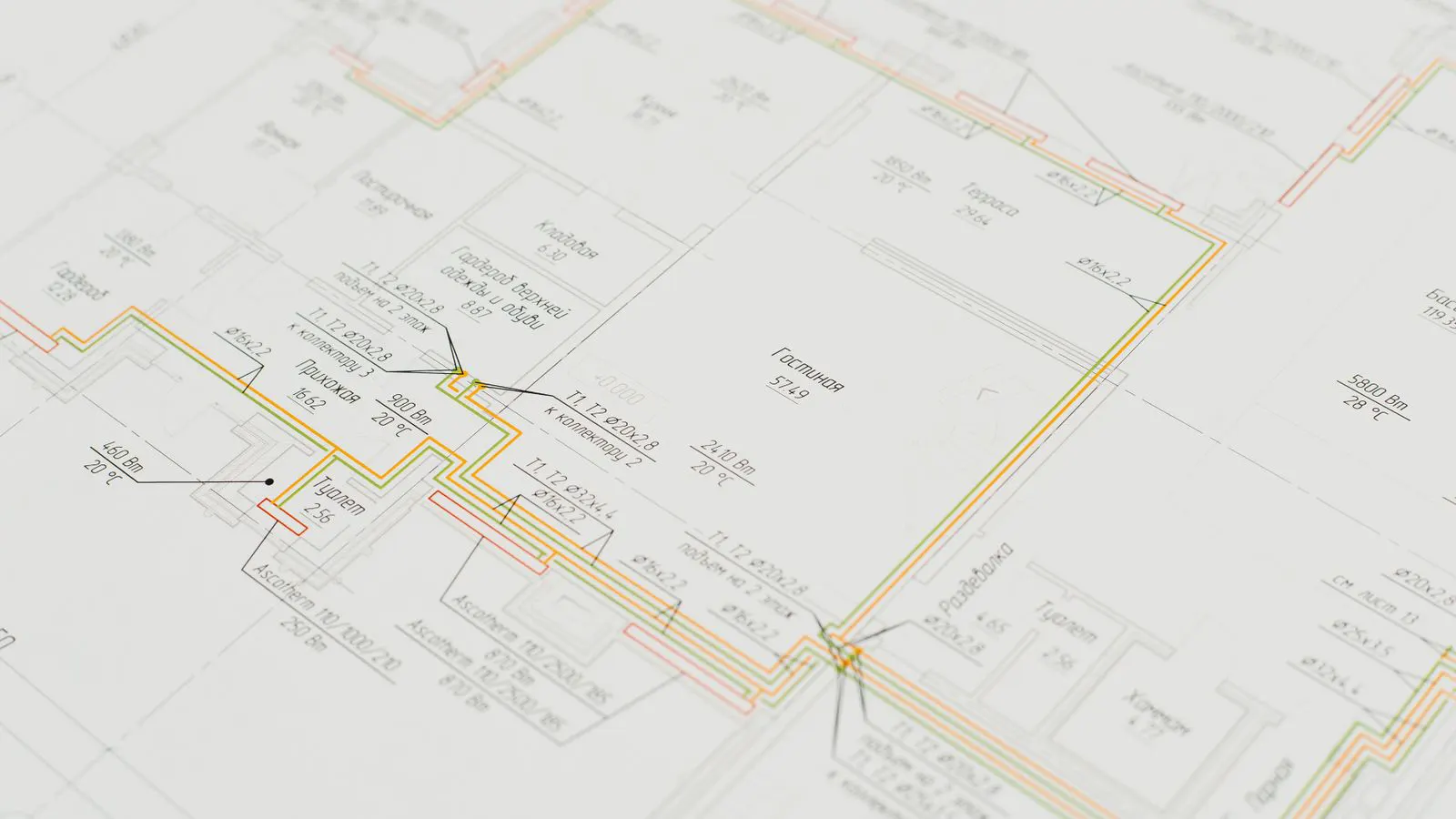
How to Size Ductwork for Commercial Air Handling Units
Proper ductwork design requires calculating air volume, determining velocity limits, and selecting dimensions to balance pressure drop with cost. This guide outlines the
Practical guidance for selecting and specifying reliable HVAC equipment.
Start with the stage of the sourcing process you are in.
Explore central and split AC solutions, including equipment types, capacity planning, and performance guidance for commercial and industrial
Understand air handling units, ductwork design, and ventilation requirements for indoor air quality, temperature control, and building
Compare supplier evaluation criteria, including product availability, technical support, warranty terms, and project delivery to ensure

Proper ductwork design requires calculating air volume, determining velocity limits, and selecting dimensions to balance pressure drop with cost. This guide outlines the

Use this 10-point HVAC supplier selection framework to compare vendors on quality, lead times, support, and documentation. It helps procurement teams move from
You compare suppliers, verify specs, and check lead times. The site gives you the technical criteria to make those decisions faster. It covers air conditioning, chillers, heat pumps, ventilation, and efficiency standards.
Readers find practical advice on sizing, selection, and maintenance. The content helps you ask better questions of vendors. You get a clear view of what to check before signing a purchase order.
A chiller typically cools a building by rejecting heat outside. A heat pump can move heat in both directions, providing cooling and heating.
You need to calculate the sensible and latent loads for the space. You also check ductwork constraints and airflow requirements. Sizing must match the specific operating conditions.
Check the equipment specifications, warranty terms, and lead time. Verify that the controls system is compatible with your existing BMS. Ask for references from similar projects.
It depends on the equipment type and usage. Air filters need regular checking. Compressors and heat exchangers need periodic inspection. Follow the manufacturer's maintenance schedule.
Local regulations set the minimum requirements. You should also consider the long-term energy cost of the equipment. Higher efficiency units may have a higher upfront price but lower running costs.
Request test reports and certificates of conformity. Check if the unit has third-party certification. You can also inspect the factory if possible, or review case studies.