Air Handling Units Explained: Components and Types
Air handling units move, filter, and condition air for commercial buildings. Understanding their components and types helps engineers and buyers select the right equipment for a project without overbuying or underperforming.
- AHUs combine air distribution, filtration, and thermal conditioning into one packaged system.
- Component choices affect airflow capacity, energy use, and maintenance labor.
- Unit type depends on load type, space constraints, and required air quality.
- Match the AHU configuration to the building's specific heating, cooling, and ventilation needs.
- Sourcing decisions hinge on understanding how each part interacts with the others.
What Is an Air Handling Unit and Why It Matters
An air handling unit, or AHU, is a packaged system that moves, filters, and conditions air for a building. It sits at the center of the HVAC ventilation loop. Without it, individual thermostats and coils cannot control indoor air quality or thermal comfort.
Buyers and engineers use AHUs to manage the bulk of a building’s air. A single unit can serve an office floor, a retail space, a school wing, or a manufacturing bay. The design must match the load, the space, and the operating schedule. A poorly chosen unit causes poor air quality, high energy use, and costly retrofits.
Core Components of a Typical AHU
Every AHU contains several core parts. Each part has a specific job. Understanding these parts helps you ask better questions during sourcing.
Airflow section
The airflow section includes the fan and the duct connections. The fan creates the pressure needed to move air through the ductwork. It can be a direct drive or a belt drive. Direct drives are simpler and use less energy. Belt drives allow a speed reduction, which can be useful for larger units.
The fan is usually a plug fan, a centrifugal fan, or a mixed-flow fan. A plug fan is mounted directly in the duct. It is compact and common in modern units. A centrifugal fan uses a wheel to accelerate air outward. It handles higher pressure drops.
Filtration section
The filtration section protects the coils, the fan, and the occupied space. Filters catch dust, pollen, and other particles. The filter type determines the level of protection. A basic pleated filter handles general dust. A higher efficiency filter is needed when the air quality standard is tighter, such as in a laboratory or a clean environment.
Filter placement matters. Filters sit upstream of the coils and the fan. They prevent debris from reaching sensitive parts. They also protect the air that reaches occupants.
Thermal conditioning section
The thermal conditioning section changes the air temperature. It usually contains a cooling coil and a heating coil. The cooling coil removes heat from the air. Water or refrigerant passes through the coil tubes. The heating coil adds heat. Hot water, steam, or electric elements can be used.
The choice of heating source depends on the building. Electric elements are simple but use more energy. Hot water coils are efficient but require a hydronic loop. Steam coils are common in older buildings but are less flexible.
Control section
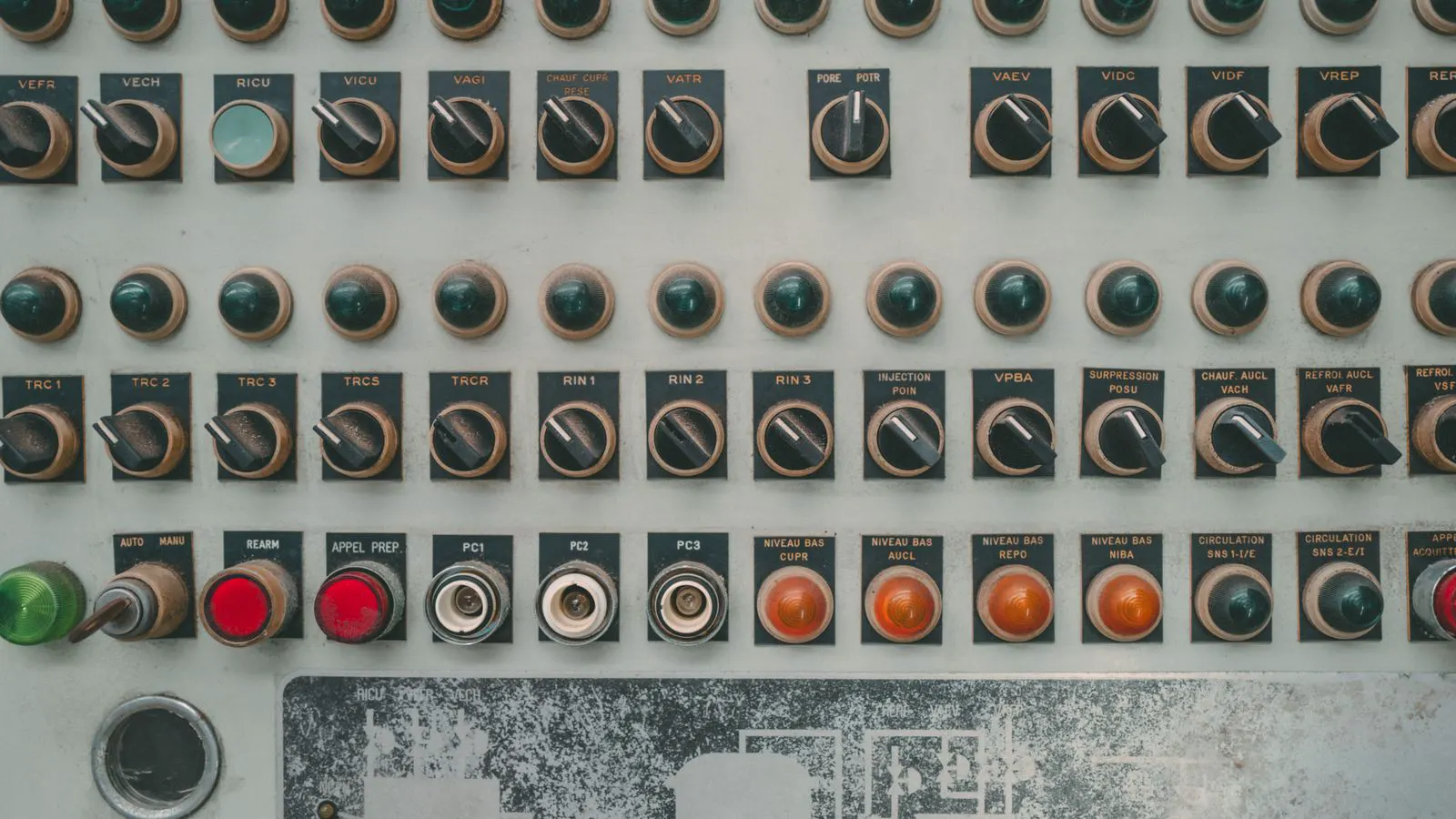
The control section manages the unit operation. Sensors measure temperature, humidity, and pressure. A controller uses these readings to adjust the fan speed, valve positions, and coil operation. Modern controllers can respond to building schedules and occupancy patterns.
The control system is the brain of the AHU. It decides when to cool, when to heat, and how fast the fan should run. A well-tuned control system improves comfort and lowers energy use.
How Component Choices Affect Sourcing
Choosing an AHU is not just about picking a size. Every component decision affects cost, performance, and maintenance.
The fan type sets the energy baseline. A direct drive fan is efficient but may require more airflow to meet the design. A centrifugal fan handles higher pressure drops but uses more power. The fan choice must match the ductwork and the required airflow.
The filtration choice affects maintenance labor. Higher efficiency filters are more expensive and may need to be replaced more often. Basic filters are cheaper but allow more particles through. The selection should match the air quality standard and the maintenance plan.
The thermal conditioning choice affects the building’s energy system. An electric heating coil is easy to install but uses more electricity. A hot water coil integrates with a central boiler. A steam coil works with an existing steam plant. The choice should fit the overall HVAC plan.
Common AHU Types and Their Best Uses
AHU types differ in structure and function. The main types are rooftop units, packaged terminal air conditioners, and dedicated outdoor air units.
Rooftop units
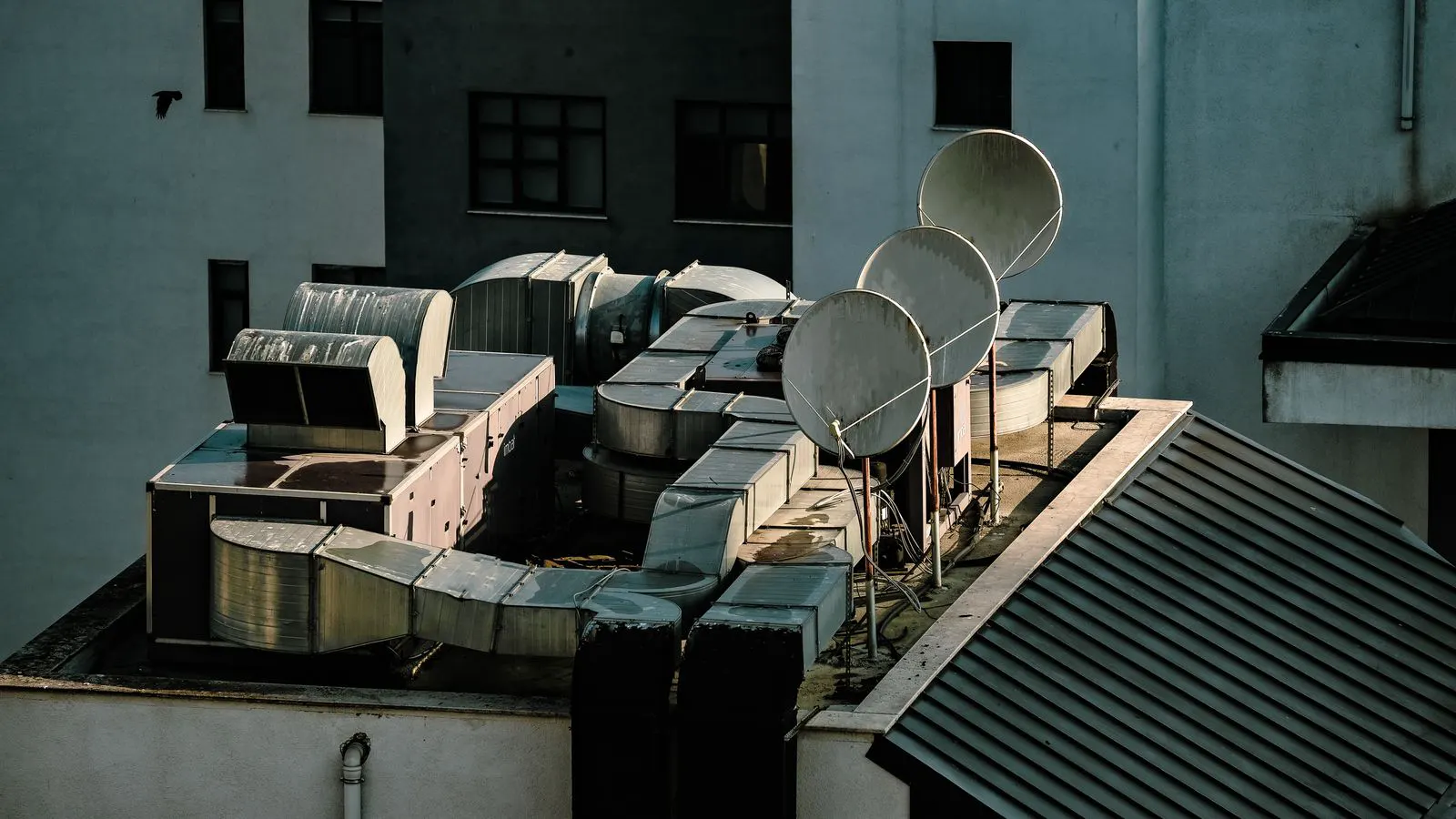
Rooftop units are large AHUs installed on the roof. They serve a whole floor or a large section of a building. They are common in offices, schools, and retail spaces. They are easy to service from the roof. They also save indoor mechanical space.
Packaged terminal air conditioners
Packaged terminal air conditioners are smaller units installed at the wall or window. They serve a single room or a small zone. They are common in hotels, apartments, and small offices. They are easy to install and maintain.
Dedicated outdoor air units
Dedicated outdoor air units handle fresh air only. They do not cool or heat the occupied space directly. They supply fresh air to a central AHU or a set of zone units. They are common in high-rise buildings and large commercial spaces. They improve indoor air quality and reduce the load on the main AHU.
| AHU Type | Typical Use | Space Requirement | Maintenance Access |
|---|---|---|---|
| Rooftop Unit | Office floors, schools, retail | Roof space | Roof access |
| PTAC | Single rooms, hotels, apartments | Wall or window space | Wall access |
| Dedicated Outdoor Air Unit | High-rise, large commercial | Mechanical room or roof | Mechanical room access |
A Worked Example in Plain Words
Consider a two-story office building. The building needs fresh air and comfort cooling. The owner wants to reduce energy use. The engineers choose a rooftop unit for each floor.
The unit has a direct drive fan for efficient airflow. It has two stages of filtration. The first stage catches large particles. The second stage catches finer dust. It has a cooling coil and a hot water heating coil. The control system adjusts the fan speed and valve positions based on the room temperature and the outdoor temperature.
The engineers check the ductwork to make sure the pressure drop matches the fan’s capacity. They check the filtration to make sure the air quality standard is met. They check the control system to make sure the unit responds to occupancy patterns.
This example shows how the component choices work together. The fan moves the air. The filters clean the air. The coils change the air temperature. The controls manage the operation. The sourcing decision must consider all of these parts.
How to Evaluate AHU Options for a Project
When evaluating AHU options, focus on the building’s specific needs. Start with the load calculation. The load calculation determines the required airflow and the thermal capacity. It sets the baseline for the unit size.
Next, consider the space. If the building has limited mechanical room space, a rooftop unit may be the best choice. If the building has many small zones, packaged terminal air conditioners may be more practical. If the building needs high air quality, a dedicated outdoor air unit may be needed.
Finally, consider the operating schedule. A unit that runs 24 hours a day may need a different control system than a unit that runs only during business hours. The control system should match the schedule. It should also match the building’s energy goals.
Common Mistakes to Avoid
A common mistake is to choose a unit based on size alone. Size is only one factor. The component choices matter as much as the size. A larger unit with poor controls may use more energy than a smaller unit with a well-tuned control system.
Another mistake is to ignore the ductwork. The AHU and the ductwork must work together. The fan must be able to push the air through the ducts. The ducts must be sized correctly. The pressure drop must match the fan’s capacity. The article “How to Size Ductwork for Commercial Air Handling Units” covers this in more detail.
A third mistake is to overlook maintenance access. A unit that is hard to service will cost more in labor. Filters must be reachable. Coils must be inspectable. The fan must be accessible. The control system must be easy to program.
These mistakes can lead to high energy use, poor air quality, and costly repairs. They can also shorten the life of the equipment. Avoiding them requires careful planning and a clear understanding of the building’s needs.
Frequently asked questions
What is the main difference between a rooftop unit and a packaged terminal air conditioner?
A rooftop unit serves a large area and is installed on the roof. A packaged terminal air conditioner serves a single room or zone and is installed at the wall.
How do I know if I need a dedicated outdoor air unit?
You need a dedicated outdoor air unit if the building has high air quality requirements or if the main AHU cannot handle the fresh air load by itself.
What is the best filter type for an office building?
A two-stage filtration system is common for office buildings. The first stage catches large particles and the second stage catches finer dust. The exact choice depends on the air quality standard.
How does the fan type affect energy use?
A direct drive fan is generally more efficient than a centrifugal fan. It uses less power to move the same amount of air. The choice depends on the pressure drop and the required airflow.
Can I upgrade the control system on an existing AHU?
Yes, many older AHUs can be retrofitted with a modern control system. This can improve comfort and lower energy use. The retrofit must be compatible with the existing sensors and actuators.