Troubleshooting High Duct Static Pressure in AHUs
High duct static pressure restricts airflow and stresses fans. This guide lists symptoms, likely causes, and fixes for air handling units. It covers filter checks, duct leaks, and balance adjustments to restore proper ventilation.
- High duct static pressure usually comes from blocked filters, collapsed ducts, or incorrect damper settings.
- Check the system from the source outward, starting with filters and supply dampers before inspecting the ductwork.
- Regular maintenance and correct fan speed settings prevent pressure buildup that strains motors and reduces airflow.
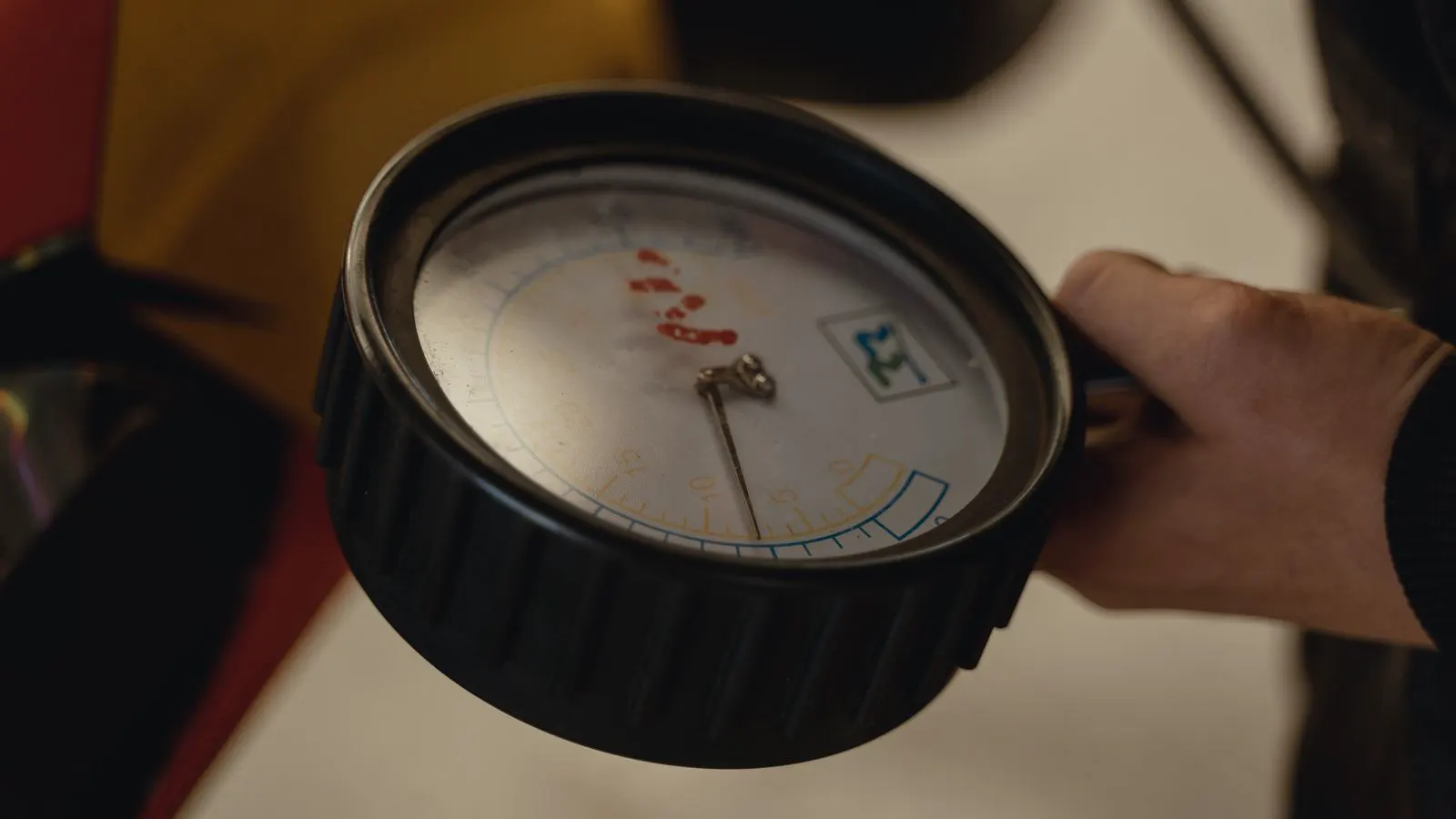
- Use a manometer to measure static pressure at the fan and at the system end for accurate diagnosis.
- Address leaks and blockages early to keep air handling units operating within their design capacity.
Why High Duct Static Pressure Matters
High duct static pressure in air handling units reduces the air volume delivered to occupied spaces. The fan works harder to push air through resistance, which increases energy use and shortens motor life. If the pressure stays above the fan curve, the unit may deliver less airflow than the design intent requires.
This problem shows up in commercial buildings where long duct runs and complex branch systems create natural resistance. It also appears after renovations that close off supply registers or add equipment. Understanding the pressure drop helps technicians isolate the issue quickly.
Consider a standard rooftop unit serving a large open office floor. The original design assumed a specific total external static pressure. Over time, dust accumulates on the filter, and a few supply grilles get blocked by furniture. The fan cannot move the designed air volume. The result is a hot, stuffy environment and a fan motor drawing excessive amperage.
The physics here is straightforward. The fan produces a specific amount of power to move air. As the resistance in the duct system increases, the operating point shifts along the fan curve. If the system resistance exceeds what the fan can overcome at its selected speed, the airflow collapses. The fan may reach its maximum static pressure capability and stall, or it may simply deliver significantly less air than required.
Operators often mistake this for a heating or cooling failure. The building feels warm because not enough air is circulating. The thermostat calls for heat, but the temperature does not drop. In reality, the heating coil is working fine. The issue is the lack of air movement.
Common Symptoms of Excessive Static Pressure
Technicians and building operators notice several signs when the system fights against itself. The fan motor may run hotter than usual, and the current draw could rise above normal values. The sound of the unit may change, shifting to a deeper, strained note.
Airflow at the diffusers drops. Occupants may report that the space feels stuffy or that the air does not circulate well. The temperature at the supply terminals may be lower than expected because the same fan speed is moving less air volume.
If the building has a pressure control system, the setpoint may drift. The system struggles to maintain the intended air volume. These symptoms point to a restriction somewhere in the path of the air.
Listen to the unit. A healthy fan produces a steady hum. A struggling fan often makes a whine or a rattling noise as the impeller blades hit turbulence caused by restricted flow. The motor housing will feel hot to the touch. This heat is generated by the electrical resistance in the windings as the current draw increases.
Check the static pressure switch if the unit has one. Many modern units trip this switch when the pressure exceeds a safe limit. If the unit cycles off frequently or shuts down entirely, the static pressure switch is likely the culprit. A simple reset will clear the fault, but the underlying restriction remains.
Look at the discharge plenum. If the pressure gauge on the plenum reads higher than the design specification, the restriction is upstream of the plenum. This usually points to filters, the fan inlet, or the coil. If the plenum pressure is normal but the pressure at the end of the duct run is low, the restriction is in the ductwork itself.
How to Measure Duct Static Pressure Accurately
A reliable diagnosis starts with a good measurement. Use a digital manometer or a pitot tube to take readings. Connect the static port on the fan casing to the gauge. Take the reading while the unit is running at its normal speed.
For a more detailed check, measure the static pressure at the supply plenum and at the end of the longest branch. The difference between these points shows where the pressure drop is happening. A high reading at the plenum suggests a blockage near the fan. A low reading at the branch end suggests a restriction in the duct run itself.
Keep the probe clean. Dust or moisture in the tubing can skew the reading. Compare the measured value against the fan curve. If the operating point sits on the steep part of the curve, the system is working harder than it should.
Accuracy depends on where you place the probe. Do not place the static tap in the direct path of the airstream. It should be mounted on the wall of the duct or plenum, at least a few diameters away from turns or fittings. Vibration in the ductwork can also affect the reading. Use a rigid probe and secure it firmly to the duct to reduce shake.
Take multiple readings. Do not rely on a single number. Wait for the fan to stabilize. The static pressure fluctuates slightly as the fan cycles. Record the average value over a period of a few minutes. This gives you a more reliable baseline.
If you do not have the fan curve, you can still use the measurement. Compare the current reading to previous readings taken during maintenance. A rise of a few inches of water column over the last year indicates increasing resistance. This trend helps you schedule a filter change or a duct inspection before the unit fails.
Troubleshooting Causes and Fixes
The table below lists the most common causes of high duct static pressure and the steps to resolve them.
| Symptom | Likely cause | What to do |
|---|---|---|
| High pressure at the fan inlet | Dirty or clogged filter | Replace the filter media or clean the panel as per manufacturer instructions. |
| Airflow drops after a renovation | Closed or blocked supply registers | Open the registers and check for insulation or debris blocking the opening. |
| Fan motor runs hot | Excessive resistance in the ductwork | Inspect ducts for crushed sections or collapsed flexible connectors. |
| Pressure varies with time | Leaking ducts or open dampers | Check for visible leaks and ensure dampers are in the correct position. |
| High static pressure in winter | Condensation or ice in the coil | Defrost the coil and check the drainage pan for blockages. |
Start with the filters. A clogged filter is the most frequent cause of high static pressure. The fan has to push air through a dense layer of dust and lint. This creates a sudden pressure drop right at the intake. Replace the filter with the correct MERV rating. Do not go higher than the design specification unless the system was engineered for it.
Next, check the supply dampers. If a motorized damper sticks in the closed position, the fan pushes air into a closed branch. The pressure builds up in the plenum. Manually open the damper to confirm it moves freely. If it is stuck, clean the linkage and the actuator.
Inspect the ductwork for physical damage. Flexible ducts often collapse under the pressure of the fan. Rigid ducts can get kinked during installation or renovation. Walk the duct run and look for dents or crushed sections. Replace any damaged section to restore the cross-sectional area.
Check the coil. If the coil is frozen or heavily fouled, the airflow through the coil face is restricted. This adds resistance to the system. In winter, ice buildup can completely block the coil. In summer, a dirty coil with dust and mold reduces airflow. Clean the coil fins with a no-rinse coil cleaner. Use a soft brush to straighten bent fins.
Fan Speed and Curve Adjustments
If the ductwork is clear and the filters are clean, check the fan speed. Sometimes the fan runs too fast for the system. This pushes air into a resistance that the fan cannot overcome efficiently. The operating point moves to the right on the curve, where efficiency drops.
Slow the fan down. Watch the static pressure and the airflow. You are looking for a point where the pressure stabilizes and the air volume reaches the design target. A variable frequency drive allows fine control. If the unit has a fixed speed fan, you may need to install a variable speed controller or adjust the pulley size.
Do not simply increase the fan speed to compensate for a restriction. This raises the pressure further and increases energy use. Fix the source of the resistance first. Then adjust the fan speed to match the load.
Adjusting the fan speed changes the operating point on the fan curve. If you slow the fan, the static pressure drops and the airflow decreases. If you speed it up, the static pressure rises and the airflow increases. The goal is to find the intersection of the system resistance curve and the fan curve that provides the required airflow at the lowest energy cost.
If the unit has a variable frequency drive, you can program the speed based on the static pressure setpoint. The drive will automatically adjust the speed to maintain the pressure. This is more efficient than a fixed speed fan because it reduces the speed when the building load is low.
If the unit has a fixed speed fan, you have less flexibility. You can change the pulley size to change the speed. A larger pulley on the motor shaft increases the speed. A smaller pulley decreases it. This is a rough adjustment. It is not as precise as a variable frequency drive.
Prevention Tips for Long Term Performance
Preventing high duct static pressure is easier than fixing it after the problem appears. Include static pressure checks in your routine maintenance schedule. Measure the pressure every quarter or at the start of each heating and cooling season.
Keep the filters clean. Change them based on the manufacturer recommendations or when the differential pressure across the filter exceeds the limit. Use the correct filter size and type. A filter that is too small or the wrong MERV rating will cause problems.
Inspect the ductwork during major maintenance. Look for leaks, crushed sections, or open joints. Seal any gaps with mastic or metal tape. Leaks can draw in unconditioned air and change the pressure balance.
Train building operators on the signs of trouble. If they notice a change in fan sound or a drop in airflow, they should report it immediately. Early detection prevents small issues from becoming major failures.
Create a maintenance log. Record the static pressure reading, the filter condition, and any work performed. This log helps you track trends. If the pressure is rising year over year, you know you need to investigate the ductwork or the filters more frequently.
Educate the building management team. They should understand that high static pressure is not just an energy issue. It is a comfort issue and a reliability issue. When they understand the impact, they are more likely to support maintenance activities.
When to Call a Professional
If you have checked the filters, dampers, and ductwork and the pressure remains high, the issue may be internal to the fan or the motor. Worn bearings, a damaged impeller, or a failing motor can cause unusual pressure readings.
A professional can perform a detailed fan performance test. They can measure the power input, the torque, and the air volume to verify the fan is working as designed. They can also check the electrical connections and the control system for faults.
Do not ignore persistent high static pressure. It puts stress on the mechanical components and reduces the life of the equipment. Address the root cause to protect the investment in the air handling unit.
A professional can also check the impeller balance. If the impeller is unbalanced, it vibrates and creates noise. This vibration can loosen duct connections and create leaks. Balancing the impeller restores smooth operation.
The motor itself may be failing. If the motor windings are shorted, the current draw increases. This generates heat and can burn out the motor. A professional can test the insulation resistance and check the current draw at different speeds.
Related Topics for Further Reading
For a broader view of how airflow systems work, explore the differences between CFC and CFM in air flow systems. If you are dealing with low air flow, a dedicated guide on troubleshooting low air flow in air handling units will be helpful. For a list of items to check, refer to the checklist for indoor air quality ventilation systems. If you are selecting new equipment, the buyers guide for selecting hvac ventilation systems covers key factors. For market context, look at the outlook: trends in commercial hvac ventilation.
Frequently asked questions
What is a normal static pressure reading for an air handling unit?
Normal values depend on the fan curve and the duct design. Most commercial units operate within a few inches of water column. Check the manufacturer data plate for the specific design range.
Can a clogged filter cause high static pressure?
Yes. A dirty filter restricts the air path at the inlet. This forces the fan to work harder to move the same volume of air. Replace the filter if the pressure drops across it are high.
How do I know if my ducts are leaking?
Leaks can be found by visual inspection and by measuring pressure at different points. A sudden drop in pressure after a leak point suggests air is escaping. Seal gaps with mastic or tape.
Should I increase the fan speed if static pressure is high?
No. Increasing the fan speed will raise the pressure further. Fix the source of the restriction first. Then adjust the fan speed to match the system load.
How often should I check the static pressure?
Check it during routine maintenance. A quarterly check is a good practice for most commercial buildings. Measure it at the start of each heating and cooling season.