Troubleshooting Oversized HVAC Equipment Performance
Oversized equipment causes short cycling, poor humidity control, and uneven comfort. This guide lists common symptoms, identifies the root cause, and provides practical fixes to restore proper HVAC performance without replacing the unit.
- Oversized units short cycle, which causes comfort issues and reduces dehumidification.
- Check the equipment sizing against the actual load calculation before adding capacity.
- Use controls, airflow adjustments, or staged operation to mitigate performance problems.
- Accurate load analysis prevents future oversizing during replacements or upgrades.
- Document the original design load to guide future maintenance and selection decisions.
Why Oversized Equipment Fails in Daily Operation
Oversized equipment looks like a solution when the goal is to cool or heat a space quickly. The unit reaches the setpoint in minutes, then shuts off. The next cycle starts, and the pattern repeats. This is short cycling. It is one of the most common problems in installations where the equipment sizing was done incorrectly.
The immediate effect is uncomfortable. The space feels cool, but the humidity remains high. In cooling season, the coil does not run long enough to pull moisture from the air. The space feels muggy even though the temperature reads low. In heating mode, the unit may overshoot the temperature, causing the space to feel warm, then cold, then warm again.
The mechanical wear is equally damaging. Compressors, contactors, and relays cycle frequently. Each start places high electrical stress on the compressor motor. Over time, this increases the likelihood of failure. The equipment may last only a fraction of its expected service life.
Common Symptoms That Point to Capacity Mismatch
The following symptoms usually indicate that the equipment sizing is wrong. They are easy to spot during routine service calls or when a tenant reports discomfort.
| Symptom | Likely cause | What to do |
|---|---|---|
| Short cycling | Unit turns off too quickly after reaching setpoint | Check the load calculation. Adjust the thermostat deadband. Verify airflow. |
| High humidity | Coil runtime is too short to dehumidify | Extend the run time. Reduce the supply air temperature. Check the coil and blower. |
| Uneven temperatures | Airflow distribution is unbalanced | Balance the ductwork. Adjust dampers. Check for restricted filters. |
| Excessive wear | Frequent start-stop cycles | Inspect the contactor. Check the compressor. Review the control sequence. |
| High energy bills | Inefficient operation and cycling | Review the equipment sizing. Optimize the control settings. Consider a variable speed drive. |
These symptoms often appear together. A building manager may report that the lobby feels cool but the back rooms are warm. The thermostat shows the setpoint, yet the occupants are uncomfortable. The unit runs for two minutes, shuts off, and restarts. This pattern is a clear sign that the equipment is larger than the load requires.
How to Verify the Equipment Sizing
Before making changes, confirm that the unit is actually oversized. Do not rely on the nameplate capacity alone. The nameplate shows the maximum output of the equipment. The actual load of the building may be significantly lower.
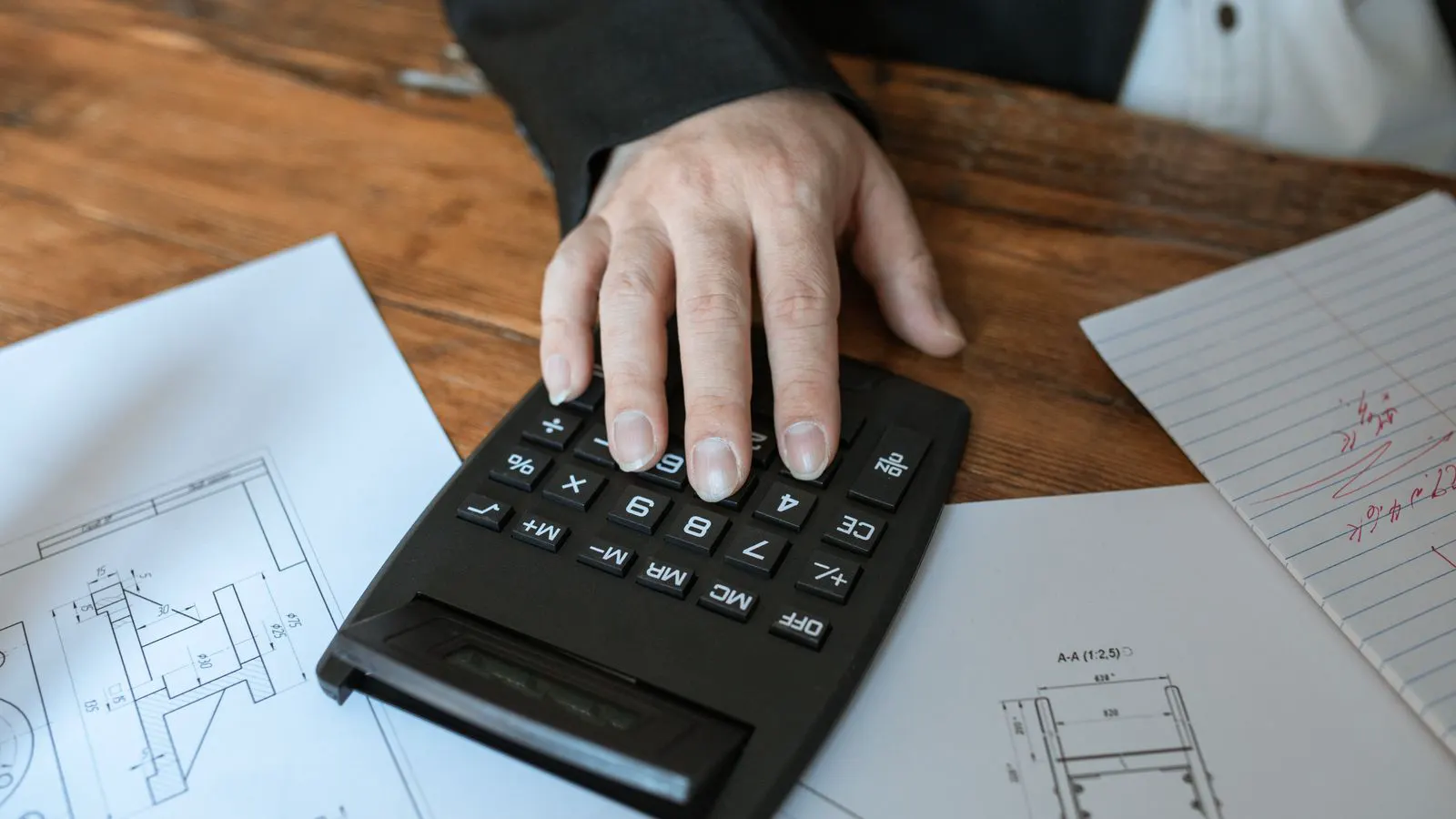
Start with the original load calculation. If the documents are available, review the heating and cooling loads. Compare the calculated peak load to the installed equipment capacity. If the unit capacity is much higher than the calculated peak, the equipment is oversized.
If the original documents are missing, perform a manual check. Measure the supply air temperature. Measure the return air temperature. Calculate the temperature difference. This difference, often called the split, indicates the heat removed by the coil. For a standard air conditioner, a split of 10 to 15 degrees Fahrenheit is typical. A split below 10 degrees suggests the unit is not working hard enough.
Check the runtime. If the unit runs for less than three minutes before shutting off, it is cycling. This is a strong indicator that the capacity exceeds the load.
Practical Fixes for Existing Installations
Replacing the unit is not always the only option. In many cases, performance can be improved with control adjustments and airflow changes.
- Adjust the thermostat deadband. Set a wider temperature range so the unit does not cycle. A deadband of five to ten degrees Fahrenheit can extend the run time.
- Reduce the supply air temperature. A lower supply air temperature increases the temperature split. This allows the coil to remove more moisture in a shorter time.
- Balance the airflow. Adjust dampers and check the ductwork. Proper airflow ensures that all zones receive the correct amount of air.
- Add a variable speed drive. A variable speed drive reduces the blower speed during low load conditions. This extends the run time and improves dehumidification.
- Stage the cooling. If the system has multiple compressors or cooling stages, use a control that runs only one stage during low load. This prevents short cycling.
These fixes address the symptoms. They do not fix the root cause. The equipment is still larger than the load requires. However, they can extend the life of the unit and improve comfort until a replacement is made.
Prevention: How to Get the Sizing Right
The best way to fix oversized equipment is to prevent it. Accurate equipment sizing requires a thorough understanding of the building load.
Start with a thermal load analysis. Measure the building envelope. Check the insulation values. Measure the window area. Check the occupancy and lighting. These factors determine the peak cooling load.
For commercial buildings, use a computerized load program. Input the building data accurately. Include internal gains from equipment, people, and lighting. Do not guess. Use the actual data.
For residential buildings, use a manual or software method. Account for the local climate. Check the shading. Measure the floor area. These inputs are critical for an accurate load calculation.
Once the load is calculated, select the equipment. Match the capacity to the peak load. Do not oversize. A unit that is slightly smaller than the peak load will run longer and perform better.
When to Replace the Equipment
Sometimes the best fix is a replacement. If the unit is heavily worn, or if the building has changed significantly, a new unit may be the right choice.
Check the age of the equipment. If the unit is over ten years old, and the maintenance costs are high, consider a replacement. A new unit with the correct capacity will run more efficiently and last longer.
When replacing, use the same load calculation process. Do not simply replace a large unit with another large unit. Size the new unit to the actual load.
Document the new load calculation. Store the documents with the building records. This ensures that future replacements are sized correctly.
Final Checks Before Commissioning
Before the new or adjusted system goes into operation, perform a final check.
Measure the supply air temperature. Measure the return air temperature. Check the split. It should be within the expected range.
Check the runtime. The unit should run for at least three minutes before shutting off.
Check the humidity. The space should feel comfortable, not just cool.
Check the airflow. The supply grilles should have a consistent flow. No zone should be starved of air.
These checks confirm that the system is operating correctly. They also provide a baseline for future maintenance.
Frequently asked questions
How do I know if my HVAC unit is oversized?
Look for short cycling, high humidity, and uneven temperatures. If the unit reaches the setpoint quickly and shuts off, it is likely oversized.
Can I fix an oversized unit without replacing it?
Yes. Adjust the thermostat deadband, balance the airflow, or add a variable speed drive. These changes can improve comfort and extend the unit life.
What is the best way to prevent oversized equipment?
Perform an accurate thermal load analysis. Match the equipment capacity to the calculated peak load. Do not rely on guesswork.
Is oversized equipment always bad?
In most cases, yes. It causes short cycling, poor dehumidification, and excessive wear. A correctly sized unit performs better and lasts longer.
How much does an oversized unit cost in energy?
The cost depends on the size of the unit and the length of the cycle. Frequent cycling uses more electricity. A correctly sized unit uses less energy over time.