Future of Heat Pump Maintenance in Cold Climates
Heat pump maintenance in cold climates is moving toward predictive diagnostics, tighter insulation, and hybrid system integration. Owners should plan for smarter sensors, stricter defrost monitoring, and improved indoor air quality protocols to extend equipment life and ensure reliable winter performance.
- Maintenance schedules are shifting from fixed intervals to condition-based checks using sensor data.
- Insulation and defrost management are becoming core maintenance tasks, not just install features.
- Hybrid systems require coordinated upkeep across multiple components to avoid performance gaps.
- Indoor air quality checks are expanding to include heat exchanger and coil condition.
- Training for service teams is expanding to cover electronics, controls, and refrigerant handling.
Where heat pump maintenance is heading in cold climates
Cold weather stress is reshaping how heat pump maintenance is performed. Equipment now runs longer during winter months, and owners expect more consistent output from the same hardware. The result is a shift toward tighter inspection routines, better data capture, and more attention to the conditions around the unit.
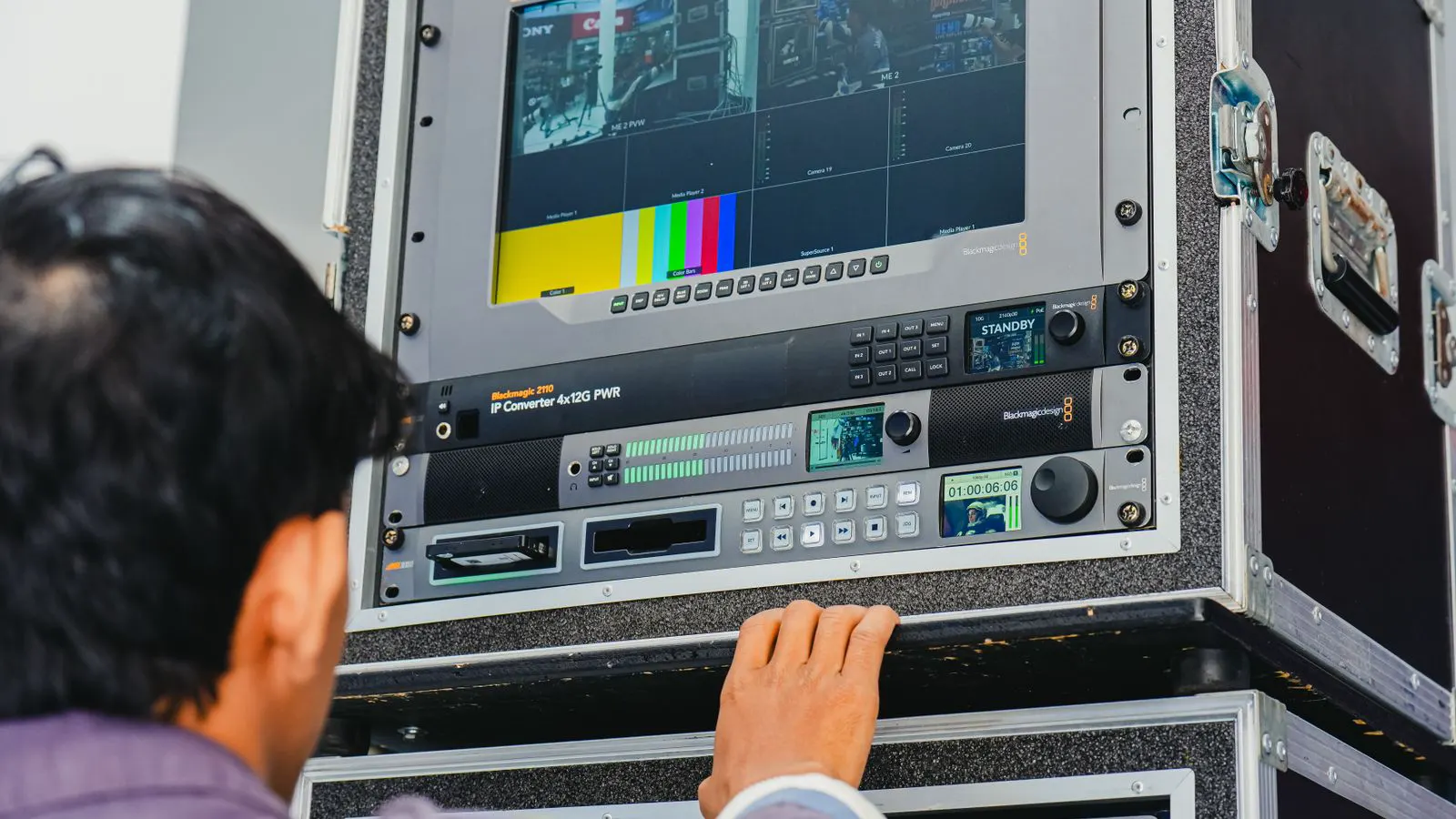
Maintenance teams are no longer relying only on seasonal checklists. They are reading performance data between visits, watching for small changes that signal a larger issue. This approach reduces downtime and helps buyers plan service contracts with more confidence.
How preventive maintenance is changing its role
Preventive maintenance is moving from a fixed calendar to a condition-driven model. In the past, a unit would get a service every season regardless of its actual state. Now, technicians check pressure, temperature, and electrical loads more often, and they adjust service frequency based on what they find.
This matters in cold climate HVAC applications. A unit running at its limit every night will show wear faster than one cycling normally. Sensors on the outdoor unit, compressor, and refrigerant lines help flag those differences early. Buyers should ask service providers how they use that data.
What to watch with defrost cycles and low-temperature performance
Defrost management is one of the most visible changes in heat pump maintenance. When a unit operates at low ambient temperatures, the coil collects moisture that freezes into ice. If the defrost cycle does not clear that ice properly, the unit loses heating capacity and draws more power.
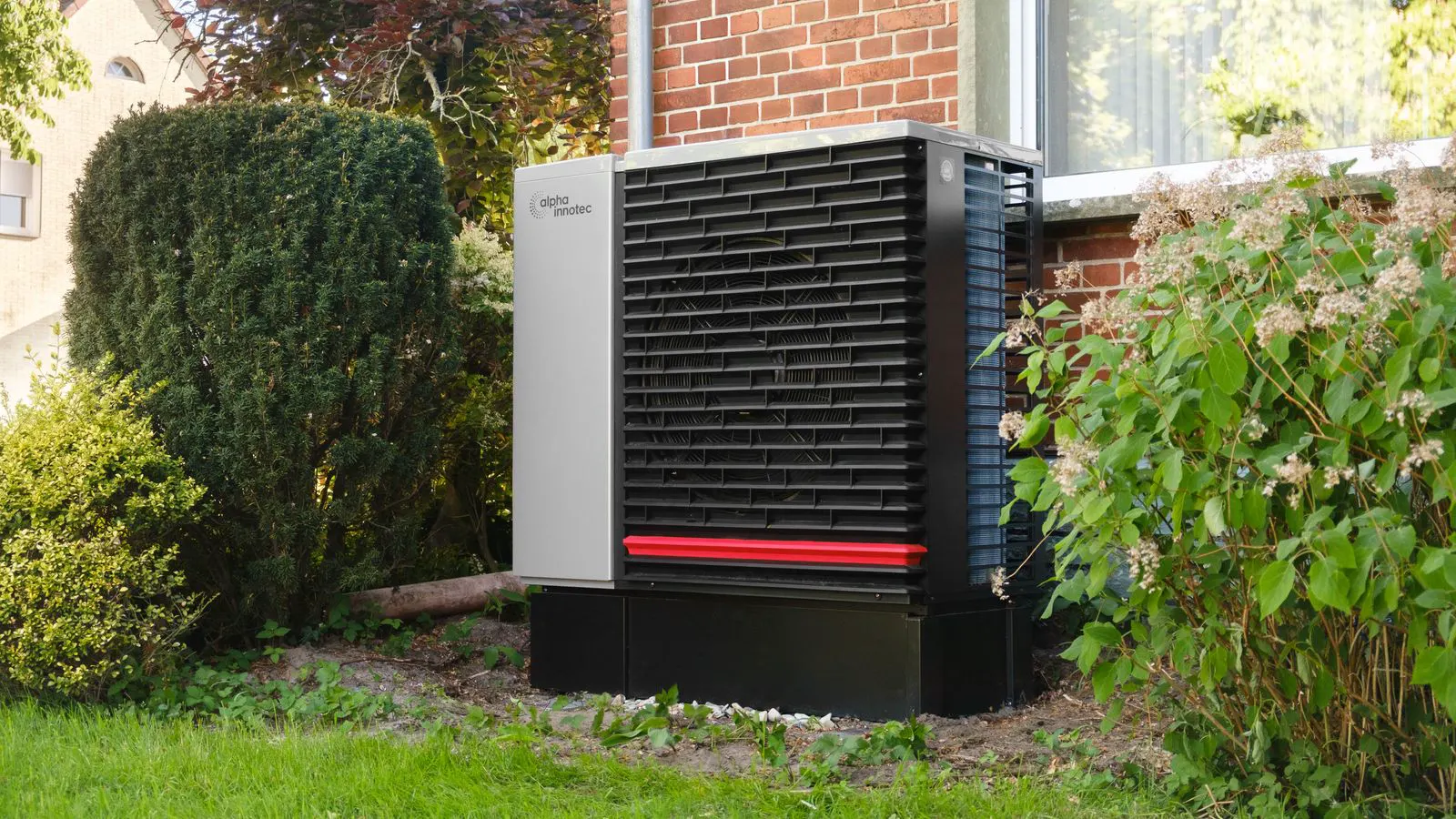
Technicians now check defrost timing, sensor accuracy, and coil condition with more regularity. They also inspect the surrounding area for snow buildup and restricted airflow. These checks are small, but they prevent costly failures. A unit that defrosts on the right schedule will maintain steady output through a cold snap.
How hybrid systems are changing service requirements
More cold climate installations are now hybrid heat pump and boiler systems. This setup improves efficiency, but it adds complexity. The heat pump handles moderate cold, and the boiler takes over when temperatures drop lower. Maintenance now covers both parts and the controls that switch between them.
Buyers should expect service teams to check refrigerant charge, burner operation, heat exchanger condition, and the logic that coordinates the two sources. A small fault in the control board can cause the system to run the boiler too often, which raises fuel use and wear. Proper documentation of each component’s settings is part of the upkeep now.
The growing role of indoor air quality in maintenance
Heat pump maintenance is expanding into indoor air quality checks. This is because the unit moves air through coils, filters, and ducts every day. In cold climates, the system runs longer, so dust, mold, and microbial growth can build up faster than in seasonal cooling applications.
Service visits now include coil cleaning, filter replacement, and duct inspection. Technicians also check condensate drainage and heat exchanger condition. These tasks keep the air cleaner and protect the equipment from corrosion. For commercial buildings, this is a direct tie to occupant comfort and longer component life.
What buyers should prepare now
The next few years will bring more sensors, tighter service standards, and higher expectations for performance. Buyers should plan for three main areas of preparation: documentation, access, and service contracts.
First, keep detailed records of each unit. Model number, refrigerant type, installed date, and past service notes all help technicians work faster and more accurately. A simple log in the building management system or a shared folder will save time when issues appear.
Second, make sure service teams can reach the equipment. Clear access to the outdoor unit, electrical panel, and controls panel reduces the time a visit takes. In cold climates, this also means keeping the area clear of snow and debris so the unit can move air freely.
Third, review service contracts annually. A good contract should cover preventive inspections, minor repairs, and response times for major failures. It should also state how the provider uses sensor data and what is included in a routine visit.
Practical checks for cold climate heat pump upkeep
The table below lists the core checks that matter most for heat pump maintenance in cold areas. These are not a one-time install task. They are part of the regular upkeep that keeps the unit working through the winter.
| Check | Why it matters | Typical frequency |
|---|---|---|
| Refrigerant pressure and superheat | Confirms the charge is correct and the compressor is not overworking | Each service visit |
| Coil and filter condition | Prevents airflow restriction and improves efficiency | Every 3 to 6 months |
| Defrost cycle timing | Ensures ice clears from the coil on schedule | Each winter season |
| Electrical connections and amperage | Catches loose or corroded connections before they fail | Each service visit |
| Drainage and condensate lines | Prevents water damage and coil corrosion | Monthly in cold months |
| Control settings and sensor calibration | Keeps the unit switching modes and cycling correctly | Annually |
How to keep a unit healthy through a cold winter
A simple routine goes a long way when the temperature drops. Clear snow and debris from around the outdoor unit at least twice a month. Check the filter every few weeks and replace it when it looks dirty. Keep the area around the unit dry and free of standing water.
Inside the building, set the thermostat to a steady temperature rather than cycling it up and down. A stable setpoint reduces the number of start-ups and the stress on the compressor. If the unit sounds different, or if the heating output drops, call a technician before the issue grows.
What the next service visit should include
The next visit to a cold climate heat pump should cover more than a visual check. A technician should read the system data, test the defrost cycle, and inspect the refrigerant side. They should also check the controls and confirm that the sensors are reporting accurately.
Ask for a written summary of what was found and what was corrected. This document is part of the equipment record and helps track trends over time. A good service team will point out any wear items that may need attention in the next season.
The bottom line for buyers
Heat pump maintenance in cold climates is becoming more data-driven and more integrated. The focus is on catching small problems early and keeping the whole system working as a unit. Buyers who plan for these changes will have less downtime, lower energy use, and a longer equipment life.
Frequently asked questions
How often should a cold climate heat pump be serviced?
Most units benefit from a service visit each season, with extra checks during the winter if the system runs heavily. Condition-based monitoring can reduce the need for fixed schedules.
What is the most common winter failure with heat pumps?
Blocked airflow from snow or debris and poor defrost cycles are the most common issues. Both reduce heating output and increase power use.
Do hybrid systems need more maintenance than standalone heat pumps?
Yes, because they combine a heat pump with a boiler. Service covers the refrigerant side, the burner, the heat exchanger, and the controls that switch between the two.
How do I know if my heat pump needs a refrigerant check?
Watch for reduced heating output, higher energy bills, or ice on the coils. A technician can measure pressure and superheat to confirm the charge is correct.
What documents should I keep for each heat pump?
Keep the model number, refrigerant type, installation date, and service history. These help technicians work faster and track performance over time.