Buyers Guide to High Efficiency Commercial Rooftop Units

This guide explains how to evaluate high efficiency commercial HVAC units. It covers efficiency standards, key performance metrics, and a practical checklist for selecting compliant rooftop equipment that balances upfront cost with long-term operational savings.
- Match unit efficiency to your local climate and operating schedule before comparing prices.
- Verify that all components meet applicable energy efficiency standards, not just the whole unit.
- Use the criteria table to compare vendors on performance, serviceability, and compliance documentation.
- Run a simple payback calculation using realistic energy rates and expected runtime.
What drives the total cost of a commercial rooftop unit
The sticker price on a high efficiency commercial HVAC unit rarely reflects the full cost. Buyers often focus on the initial purchase and then discover that a slightly more efficient unit costs more to operate, service, or replace. The total cost includes installation, energy over the unit’s life, and downtime during maintenance.
A unit that costs more at checkout but uses less electricity per season can be the better buy. The difference is small in a warehouse that runs for six months a year. It is large in a restaurant or office that runs all year. The operating profile changes the math.
Start with how the building actually uses the system. Check utility bills from the last twelve months. Separate heating and cooling charges if they are itemized. Note peak season hours and shoulder season usage. This data tells you which efficiency metric matters most.
Consider the thermal load profile. A retail space with long hours and frequent door openings creates a different load than a data center or a laboratory with constant internal heat gains. Internal loads from lighting, people, and equipment can keep the cooling system running at partial capacity for months. This sustained partial load shifts the economic weight toward seasonal efficiency ratings rather than peak load ratings.
The cost of energy is a major variable. A facility in a region with high utility rates faces a shorter payback period for efficiency upgrades than a facility with low rates. A unit that saves ten percent on electricity in a high-cost region may save the same amount of energy but translate to a different dollar value. This changes the calculation entirely.
Installation labor can vary significantly based on site conditions. Rooftop access, rigging requirements, and structural reinforcement all affect the price. A unit that requires a crane to lift a heavier, more efficient model adds labor and equipment costs. The structural engineer must confirm the roof can support the additional weight, including condensation and water storage.
Downtime is a hidden cost. If a unit fails during peak season, the building may suffer revenue loss. A restaurant that loses dinner service to a broken HVAC system faces direct financial impact. A manufacturing plant that cannot maintain temperature and humidity may lose product yield. The cost of downtime can exceed the energy savings over several years.
How to read efficiency metrics on commercial rooftop units
HVAC efficiency standards are published by government bodies and industry groups. Different metrics apply to different applications. Cooling performance is often measured by EER or SEER, while heating efficiency may be measured by AFUE or COP. Vendors list these values on product data sheets.
EER measures the efficiency of the cooling system at a specific high load condition. It is a ratio of cooling output to power input. A higher EER means less energy is used for the same amount of cooling. This metric is useful for comparing units at peak demand. However, it does not account for part-load performance, which is where most buildings spend their energy.
SEER measures seasonal energy efficiency over a typical cooling season. It accounts for varying temperatures and loads throughout the year. SEER is generally the better metric for buildings that experience a mix of full and part-load conditions. An office building that cools during the day and partially cools at night will see a different SEER performance than a facility that runs at full capacity all day.
AFUE measures the efficiency of a heating system over a season. It is a percentage that represents the ratio of heat output to energy input. For gas-fired units, a higher AFUE means less fuel is burned to produce the same amount of heat. This metric is critical for buildings in climates with long heating seasons.
COP, or Coefficient of Performance, is used for heat pumps and electric resistance heating. It is a ratio of heat output to electrical input. A COP of 3.0 means the system produces three units of heat for every one unit of electricity consumed. This is a high-efficiency result for electric systems.
A unit with a high cooling efficiency rating may have a lower heating efficiency rating. You must match the rating to the load. A building in a mild climate may prioritize cooling efficiency. A building in a cold climate may prioritize heating efficiency. Do not compare a cooling rating to a heating rating.
The metric that matters most depends on your system. A constant-load process space may benefit from a different metric than an office building with variable occupancy. The site-specific operating profile should guide which metric you weight most heavily.
Consider the climate zone. In hot, humid regions, the latent load (humidity removal) is significant. Units with high dehumidification efficiency may cost more in energy if they are not sized correctly. In dry, cold regions, the sensible load dominates. The balance between sensible and latent loads affects which efficiency metric drives the total energy cost.
What to verify before you sign the purchase order
Buyers should request a copy of the energy compliance documentation before signing. This document lists the exact model number, configuration, and efficiency rating. It should match the unit that will be delivered.
Check the model number carefully. Vendors often use the same base model with different compressor options, coil configurations, or control boards. A small change in configuration can change the efficiency rating. The purchase order should specify the exact model and configuration.
Request a cut sheet that shows the unit’s weight, dimensions, and electrical requirements. The rooftop structure may have load limits. The electrical panel may have capacity limits. These physical constraints can rule out the most efficient unit on paper.
Verify the electrical service. High efficiency units often have variable speed compressors and blowers. These draw different current at startup than fixed speed units. The electrical engineer must confirm the panel can handle the inrush current and the continuous load. A mismatch can trip breakers or require expensive panel upgrades.
Confirm the refrigerant type. Different refrigerants require different handling and safety protocols. Some refrigerants have higher global warming potentials. Regulations are changing, and future compliance may require specific refrigerants. The purchase order should specify the refrigerant to avoid ordering a unit that is no longer permitted in the destination region.
Check the control interface. The unit must integrate with the building management system. The control board may require specific communication protocols or gateway modules. If the unit’s controls are not compatible with the existing system, the installation cost increases. The vendor should provide a list of required control options.
Review the warranty terms in detail. Compressor warranties are often limited to specific conditions. The warranty may require annual maintenance visits. If the unit fails because a filter was not changed, the warranty may be void. The purchase order should reflect the exact warranty duration and conditions.
How to compare vendors on performance and serviceability
Use the criteria table below to compare options. Do not rely on marketing language. Ask for the data points listed in each row. A vendor who cannot provide the requested information is a red flag.
| Criterion | What to look for | Why it matters |
|---|---|---|
| Efficiency rating | EER, SEER, AFUE, or COP matching your climate and load | Determines long-term energy cost and compliance |
| Configuration match | Exact model number and component list | Ensures the delivered unit matches the quoted rating |
| Serviceability | Access to filters, coils, and controls without removing panels | Reduces maintenance time and labor cost |
| Spare parts availability | Common parts in stock at local distributors | Shortens downtime when components fail |
| Warranty terms | Compressor and electrical warranty length and conditions | Protects against costly early failures |
| Installation support | Required clearances and structural load data | Prevents retrofit problems and code violations |
A unit that is easy to service saves money over time. Technicians who can access the condenser coil without removing the entire unit finish jobs faster. They can also identify wear earlier. This keeps the unit operating at its rated efficiency.
Consider the modular design. Some units have modular components that can be replaced without swapping the entire cabinet. This reduces downtime and labor costs. A unit with a standard coil design that is available locally is easier to maintain than one with a proprietary coil.
Check the filter access. Dirty filters reduce airflow and efficiency. If filters require ladder access or panel removal, maintenance becomes slower and more expensive. Units with side-access filters or top-access filters allow technicians to change them quickly.
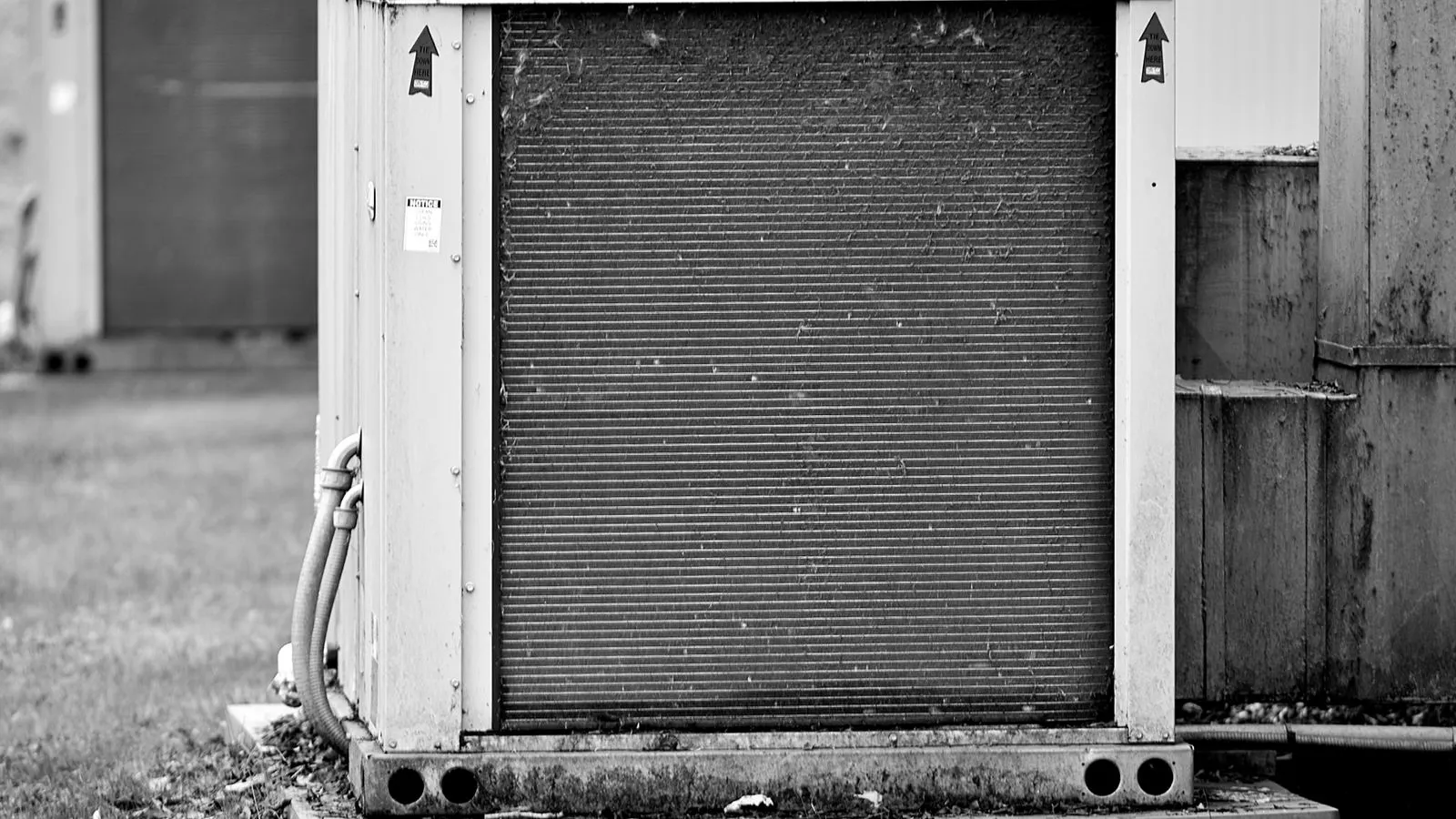
Evaluate the coil design. Microchannel coils are efficient but can be difficult to clean if they are clogged. Finned coils may accumulate dirt more easily. The coil design should match the local environment. In dusty areas, a coil with easier cleaning access is a better choice.
Ask about the blower motor. Variable speed blowers save energy but are more complex. They have more parts that can fail. Fixed speed blowers are simpler but less efficient. The choice depends on the building’s operating profile. A building that runs twenty-four-seven may benefit from the energy savings of a variable speed blower. A building that runs only during business hours may find the simplicity of a fixed speed blower more cost-effective.
How to run a simple payback calculation
Do not guess the payback period. Use actual numbers. Take the price difference between two units. Divide it by the annual energy savings. You need the annual energy savings.
To estimate savings, multiply the difference in efficiency by the expected annual runtime and the cost of energy per unit. If one unit uses 0.75 kWh per ton of cooling and the other uses 0.65 kWh per ton, the difference is 0.10 kWh per ton. Multiply that by the annual tons of cooling and the electricity rate.
The result is a rough payback period. A unit that costs more but pays back in five years may be a better buy than a cheaper unit that pays back in ten. The difference is small in a building with low usage. It is large in a building with high usage.
Consider the inflation rate. Energy prices change over time. A unit that pays back in ten years today may pay back in five years if energy prices rise. However, do not assume energy prices will rise. Base the calculation on current rates and add a sensitivity analysis for higher rates.
Account for the maintenance savings. A more efficient unit may require less maintenance. If the unit has a longer compressor life, the replacement cost is deferred. If the unit uses less energy, the electrical components last longer. Include these savings in the calculation.
Include the value of downtime. If the building operates twenty-four-seven, downtime has a direct cost. A unit with a better serviceability profile may reduce downtime. This value is difficult to quantify but can be significant. A restaurant that loses one hour of dinner service may lose several thousand dollars. Over a year, reduced downtime can offset the higher purchase price.
How to verify HVAC energy compliance before import
If you are importing equipment, verify that it meets the energy efficiency standards of the destination country or state. The standard in the manufacturer’s home country does not automatically apply. Different regions have different requirements.
Request the compliance certificate from the vendor. It should list the standard, the model number, and the efficiency rating. Cross-reference the model number with the purchase order. A mismatch is a common cause of delayed inspections.
Some regions require a third-party test report. Ask the vendor if they can provide it. If they cannot, assume the unit may not pass local inspection. The cost to replace a non-compliant unit after delivery is far higher than the cost to select the right model before ordering.
Check the local codes. Local building codes may have stricter requirements than national standards. The local authority having jurisdiction may require specific efficiency ratings for certain building types. The purchase order should reflect the local requirements.
Verify the documentation language. Compliance documents may be in a different language. The local inspector may require a translation. The vendor should provide the documents in the language of the destination region.
Consider the shipping requirements. Some refrigerants are classified as dangerous goods. The unit must be packed and shipped in accordance with international transport regulations. The vendor should confirm that the unit is certified for transport.
A decision checklist for selecting a high efficiency commercial HVAC unit
Use this checklist before you finalize the purchase. Each item should be answered with a specific data point from the vendor.
- Confirm the exact model number and configuration on the purchase order.
- Match the efficiency metric to your primary load and climate.
- Verify the unit fits the structural and electrical limits of the rooftop.
- Request a copy of the energy compliance documentation.
- Check the warranty terms for compressors and controls.
- Confirm that local distributors carry the necessary spare parts.
- Run a payback calculation using your actual energy rates.
- Confirm the installation team is familiar with the specific model.
A unit that passes this checklist is a lower-risk buy. It may not be the cheapest option. It will likely be the most cost-effective option over the life of the building. The goal is to select equipment that performs as rated and remains serviceable for years.
Frequently asked questions
Which efficiency metric matters most for a commercial rooftop unit?
It depends on the building's primary load and climate. Cooling-heavy buildings should prioritize EER or SEER. Heating-heavy buildings should prioritize AFUE or COP.
Does a higher efficiency rating always mean a lower total cost?
No. A higher efficiency unit costs more upfront. The total cost depends on runtime, energy rates, and maintenance. A unit that pays back in five years is often a better buy than a cheaper unit.
What should I check before signing a purchase order for a rooftop unit?
Verify the exact model number and configuration. Request the energy compliance documentation. Confirm that the unit fits the structural and electrical limits of the building.
Can I use a unit that meets standards in one country in another country?
Not necessarily. Energy efficiency standards vary by region. Verify that the unit meets the standards of the destination location before importing it.
How do I know if a vendor’s data sheet is accurate?
Cross-reference the model number on the data sheet with the purchase order. Request a third-party test report if your region requires it. A mismatch is a sign of a configuration error.