Explainer: How HVAC Warranty Terms Affect Total Cost
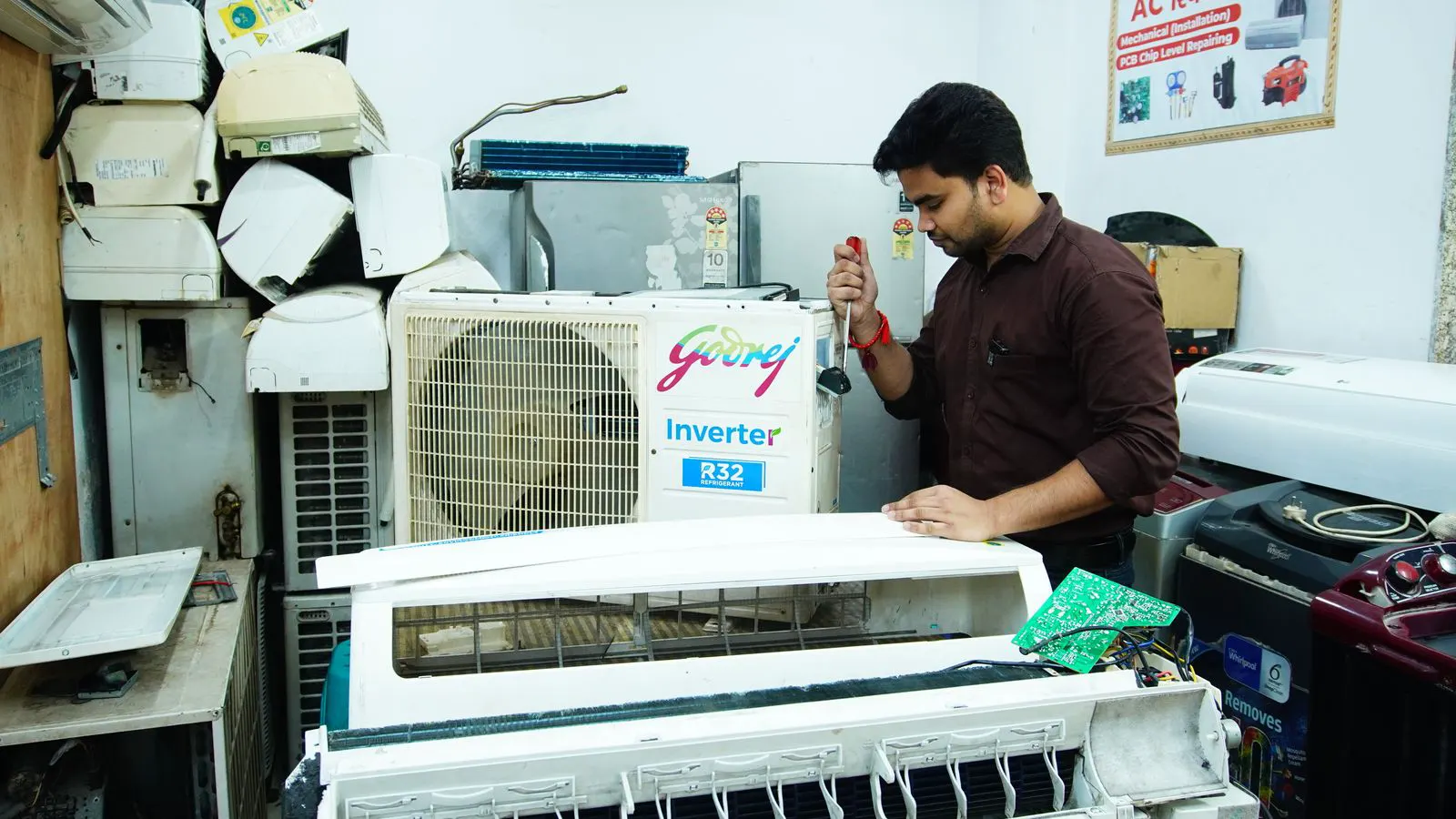
Warranty terms directly affect replacement cycles, maintenance budgets, and supplier risk. Evaluating coverage duration, response times, and repair limits helps buyers avoid hidden costs and choose partners that support long-term reliability.
- Warranty length and repair limits shape replacement cycles and spare parts budgets.
- Response time guarantees influence downtime costs more than paper coverage.
- Supplier support quality determines whether warranty promises translate into real savings.
- Contract terms and liability limits must match your operating risk tolerance.
What an HVAC Warranty Actually Covers
An HVAC warranty is a written commitment between the equipment manufacturer and the buyer or supplier. It defines what happens when a component fails. It does not guarantee the unit will never fail. It also does not guarantee a specific downtime limit unless that is written into the contract.
Most warranties cover parts. Some cover labor. Very few cover indirect costs such as lost production or emergency replacement. A standard parts warranty may last two to five years. A longer term often narrows the scope. It may exclude wear items, corrosion, or failure from improper installation.
Readers must distinguish between manufacturer warranty and supplier warranty. The manufacturer warranty follows the equipment. The supplier warranty follows the buyer. A distributor can offer a one-year service plan that extends beyond the manufacturer terms. That extra coverage may cost more upfront but can reduce the risk of unexpected repair invoices.
The total cost of ownership includes the purchase price, installation labor, energy use, preventive maintenance, and repair events. Warranty terms influence each of these categories. A short warranty pushes buyers toward more frequent inspections to protect the unit. A long warranty may reduce inspection frequency but requires careful contract review to confirm coverage scope.
How Warranty Length Changes Replacement Planning
Warranty length sets the expected failure window. When a buyer plans a ten-year replacement cycle, the warranty term matters less. When a buyer expects a five-year cycle, warranty coverage becomes a major cost lever.
A five-year parts warranty covers most early life failures. A two-year warranty leaves the buyer exposed during the most common failure period. The difference changes maintenance budgeting. With two years of coverage, the buyer must reserve funds for labor and parts in years three through five. With five years of coverage, the reserve can be smaller.
Replacement planning also depends on the type of equipment. Compressors, motors, and control boards have different failure patterns. A warranty that covers the compressor but not the control board gives a different risk profile than one that covers all major components.
Buyers should align warranty length with their capital planning horizon. If the equipment will be replaced at the end of the warranty period, the buyer can use that boundary for budgeting. If the equipment will outlive the warranty, the buyer must plan for higher repair costs after the coverage expires.
Repair Limits and Exclusions Shape Real Costs
Warranty documents often list exclusions. Common exclusions include corrosion, misuse, lack of maintenance, voltage fluctuations, and environmental damage. A buyer who skips scheduled filter changes may lose coverage on a compressor failure. A buyer who installs the unit in a location with poor airflow may face a denied claim.
Repair limits matter as much as exclusions. Some warranties cover parts only. Labor must be paid by the buyer. Other warranties cover labor for a set number of hours per year. A limit of two hours per year may seem generous. In practice, one major failure can consume that entire allowance.
The table below shows how different warranty structures affect buyer risk.
| Warranty Type | Coverage | Typical Risk | Buyer Action |
|---|---|---|---|
| Parts Only | Replaces failed components | Labor costs fall on buyer | Budget for service labor |
| Parts and Labor | Replaces components and pays labor | Limited hours or visits | Track annual service usage |
| Full Coverage | Replaces unit if failure occurs | Narrow scope definitions | Review denial criteria |
| Extended Supplier Plan | Adds coverage beyond manufacturer | May exclude wear items | Compare cost against repair history |
A full coverage warranty sounds attractive. It often comes with strict conditions. The supplier may require immediate reporting. It may require use of authorized technicians. It may require the unit to remain in a specific operating environment. A parts only warranty is simpler but shifts more cost to the buyer. The choice depends on the cost of downtime and the expected failure rate of the equipment.
Response Time Guarantees and Downtime Costs
A warranty that promises repair but not speed creates a different risk. If a unit fails on a Saturday, the buyer pays for the downtime. If the supplier guarantees a response within 48 hours, the buyer can plan for temporary cooling or heating. That guarantee reduces the cost of emergency measures.
Response time terms vary. Some suppliers offer next business day service. Others offer a set number of days. A standard three to five day response may be acceptable for non critical applications. It is not acceptable for a facility where temperature control affects product quality or safety.
The supplier evaluation process should include service capacity. A supplier with a large service team can meet response promises. A smaller supplier may promise fast response but lack the technicians to deliver it. Check the service radius. Check the parts inventory. Check the backup plan when a technician is unavailable.
A slow response converts a warranty claim into a cost event. The buyer pays for temporary equipment, overtime labor, and possible expedited shipping for parts. These costs often exceed the value of the repair itself. A warranty with a strong response guarantee protects the operating budget.
Supplier Support and Contract Clarity
The supplier evaluation process must go beyond the warranty document. The supplier is the point of contact when a failure occurs. Their ability to interpret the warranty, arrange service, and manage the claim determines the buyer experience.
A weak supplier may pass the manufacturer warranty through without explanation. The buyer learns the terms only after a failure. A strong supplier reviews the terms with the buyer before purchase. It identifies exclusions and explains how to maintain coverage.
Contract clarity matters. The contract should state who pays for parts, who pays for labor, and who arranges the repair. It should state the response time and the remedy if the time is not met. It should state the warranty transfer process if the buyer sells the equipment.
A supplier that offers an extended warranty plan should be evaluated on support quality. The plan is only as good as the service team behind it. Check the average response time. Check the first time fix rate. Check the parts availability. These factors determine whether the plan reduces cost or creates friction.
A Worked Example in Plain Words
A facility buys a large air handling unit. The manufacturer offers a two year parts warranty. The supplier offers a three year parts and labor warranty for an added cost. The facility operates in a warm climate. The unit runs for many hours each day.
Without the supplier plan, the buyer pays for labor in year three if a component fails. With the plan, the supplier covers the labor and the part. The buyer also receives a response time guarantee. If the unit fails, the supplier sends a technician within 48 hours. The facility avoids renting a temporary cooling unit.
The example shows how warranty terms affect total cost. The added cost of the plan is small compared to the avoided downtime. The buyer also gains predictability. It knows what is covered and what to expect when a failure occurs. The supplier plan changes the risk profile from uncertain to managed.
How to Evaluate Warranty Terms During Procurement
Buyers should treat the warranty as a line item in the procurement decision. Ask the supplier to provide the full warranty document before finalizing the quote. Review the scope, the exclusions, and the repair limits. Compare the terms against the supplier service plan.
Consider the operating environment. A unit in a dusty location needs different maintenance than a unit in a clean room. The warranty may require specific maintenance intervals. The buyer must be able to meet those intervals to keep coverage.
Consider the replacement cycle. If the equipment will be replaced in four years, a two year warranty is a gap. If the equipment will be replaced in eight years, a five year warranty is a smaller gap. The buyer should align coverage with the planned replacement date.
Finally, evaluate the supplier’s ability to enforce the terms. A supplier that cannot track maintenance records or verify compliance may deny valid claims. A supplier that maintains clear records and communicates clearly reduces the risk of denial. The warranty is a legal document. The supplier is the operational partner. Both matter.
Common Mistakes in Warranty Planning
Buyers often focus on the purchase price and ignore the warranty terms. They assume that a longer warranty is always better. They do not check the exclusions. They do not ask about response times. They do not compare the cost of the plan against the expected repair cost.
Another mistake is assuming that the manufacturer warranty follows the buyer. The warranty may be non transferable. It may require the original installer to perform service. The buyer may lose coverage if the unit moves to a new location.
A third mistake is not documenting maintenance. Without records, the buyer cannot prove compliance. A denial based on lack of maintenance is expensive and avoidable.
The final mistake is treating the warranty as a one time purchase. It is a continuous relationship. The buyer must monitor the terms, track service events, and review the supplier performance. A warranty that is not managed is a warranty that is not valuable.
Frequently asked questions
Does a longer warranty always save more money?
Not necessarily. A longer warranty may reduce repair costs but could have narrow coverage or high upfront cost. Buyers should compare the total cost against expected downtime and replacement plans.
What is the difference between parts warranty and full coverage?
A parts warranty replaces failed components but may not cover labor. Full coverage replaces the unit or major components and may cover labor, but it usually has strict conditions.
How do response time guarantees affect total cost?
Fast response reduces downtime and emergency costs. A slow response forces the buyer to pay for temporary equipment and overtime, which can exceed the repair cost.
Can I transfer an HVAC warranty to a new owner?
It depends on the contract. Many manufacturer warranties are non transferable. Supplier plans may be transferable. Check the terms before purchasing.
How should I document maintenance to protect warranty coverage?
Keep records of filter changes, inspections, and service visits. Use the supplier or a qualified technician. Store the records in a single location for easy access during claims.