How to Size Heat Pump Systems for Commercial Cooling
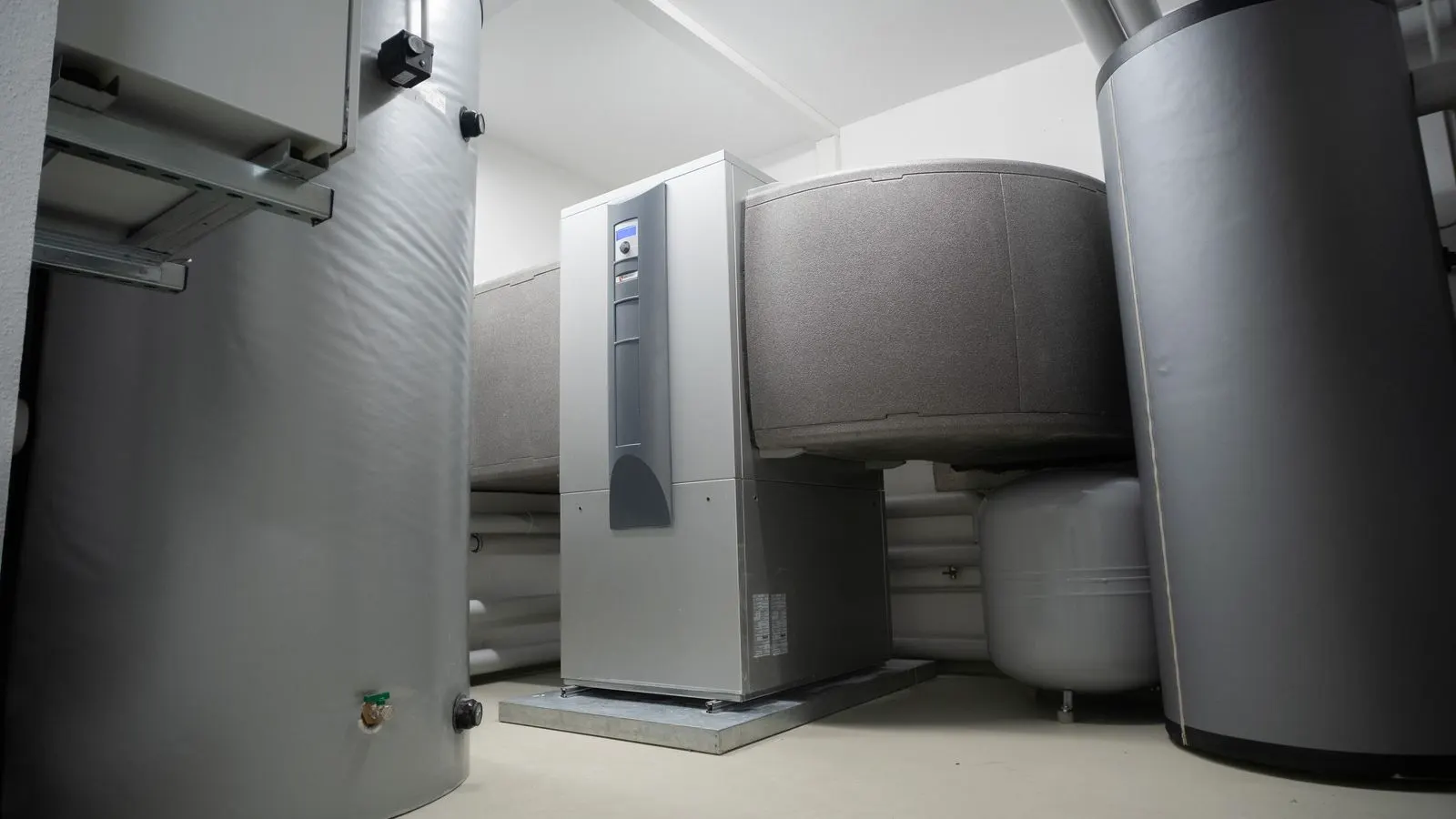
To calculate heat pump capacity for commercial cooling, start with a detailed load analysis. Apply climate factors and efficiency targets to select the right unit. Verify the final selection against site conditions to ensure proper performance.
- Accurate heat pump sizing depends on a detailed cooling load calculation, not a simple rule of thumb.
- Climate conditions and part-load operation directly affect equipment selection and efficiency.
- Common mistakes include ignoring latent load, oversizing for peak conditions, and skipping the final verification step.
- A final check against site constraints and control requirements prevents costly rework.
- Proper heat pump selection balances first-year cost against long-term energy performance.
Start With the Cooling Load
The first step in any heat pump sizing process is a detailed cooling load calculation. This is not a guess. It requires a breakdown of heat gains from the building envelope, internal loads, and infiltration.
Use a load calculation method that separates sensible and latent heat. The sensible load comes from solar gain, wall and roof heat transfer, lighting, equipment, and people. The latent load comes from moisture in the outside air and from occupants.
Most commercial buildings have a latent load that a simple rule of thumb will miss. If you ignore it, the unit may be sized for the sensible load but fail to dehumidify properly. That leads to comfort complaints and higher energy use.
The result of this step is a peak cooling load in kilowatts or tons, plus a part-load profile if possible. Part-load data matters because heat pumps spend most of their operating time away from peak.
Apply Climate and Site Factors
Once you have the load, apply the climate and site conditions that affect heat pump performance. The outdoor design temperature is the standard baseline for capacity rating. But the actual operating temperature range is wider than the design point.
A unit rated for a mild climate will lose capacity in a hot climate. The same unit will perform well at part load in a moderate climate but may struggle at full capacity in a high-heat climate.
Check the local climate data for the design dry-bulb temperature and the wet-bulb temperature. Wet-bulb affects dehumidification. Dry-bulb affects sensible capacity. Both matter for commercial spaces with tight comfort requirements.
Roof location and solar exposure also matter. A unit on the south side of a building in a hot climate will see higher ambient temperatures than one on the north side. Adjust the selection if the site conditions are harsher than the standard rating.
Determine the Required Capacity and Efficiency
The required capacity is the peak cooling load plus a margin for future growth or system losses. A common approach is to add a small margin, but do not oversize. Oversized heat pumps short-cycle, increase wear, and reduce dehumidification.
Efficiency targets set the next constraint. Look at the coefficient of performance at part load, not just at the peak rating. Part-load COP is often more meaningful for commercial buildings.
Set a minimum efficiency threshold based on your energy goals. Then compare candidates against that threshold. A unit with a slightly lower peak capacity but a much better part-load profile may be a better fit.
This step also decides if you need a single unit or multiple units. Multiple smaller units allow better staging and part-load control. They are usually more efficient in buildings with variable loads.
Select the Heat Pump Configuration
Heat pump selection is not just about picking a number. It is about matching the configuration to the building. The main configurations for commercial cooling are air-cooled, water-cooled, and hybrid systems.
Air-cooled heat pumps are simpler to install. They need less plumbing and are easier to maintain. They lose capacity in hot climates because the condenser operates against high ambient air.
Water-cooled heat pumps use a cooling tower. They maintain better condenser temperatures in hot climates. They keep capacity higher at peak. The trade-off is added water treatment, tower maintenance, and initial cost.
Hybrid systems combine a heat pump with a backup chiller. The heat pump handles most of the part-load demand. The chiller takes over at peak. This is common in buildings with high peak loads and low part-load demand.
The table below shows the main trade-offs for each configuration.
| Configuration | Capacity in Hot Climates | Maintenance | Typical Use |
|---|---|---|---|
| Air-cooled | Lower at high ambient | Lower | Moderate climates, simple buildings |
| Water-cooled | Higher at high ambient | Higher | Hot climates, large buildings |
| Hybrid | High at peak | Moderate to high | Buildings with high peak, low part-load |
Check Part-Load Operation and Controls
A heat pump is only as good as its controls. The equipment must match the building load profile. If the building has a long, flat load curve, a single large unit may work. If the load varies widely through the day, staging is required.
Check the minimum capacity of the selected unit. If the unit minimum is close to the building part-load, it will short-cycle. That causes wear and poor dehumidification.
Look for variable refrigerant flow or variable speed compressors if the building has wide part-load swings. These technologies allow the unit to modulate rather than cycling on and off.
The control system must also be able to handle the heat pump’s defrost cycle. Defrost frequency depends on humidity and ambient temperature. In low-humidity climates, defrost is less frequent. In high-humidity climates, the unit spends more time defrosting.
Plan the control sequence before finalizing the selection. The controls should prioritize energy use, maintain comfort, and protect the equipment. A well-designed control sequence can make a standard heat pump perform better than a poorly controlled advanced unit.
Verify the Final Selection
The last step is a full verification against the site and the building. This is the step most projects skip. It is also the step that catches the most errors.
Take the selected heat pump and run it through the actual building load profile. Check capacity at the design point. Check capacity at part load. Check dehumidification at the wet-bulb condition. Check defrost frequency for the local humidity.
Confirm that the condenser is accessible for maintenance. Check the refrigerant charge and the oil system. Verify that the electrical supply matches the unit’s starting requirements.
Review the installation constraints. Clearances, service access, vibration isolation, and drainage all matter. A unit that is technically correct but impossible to service will cause problems later.
The final output is a selection sheet that lists the unit model, the load it serves, the expected part-load performance, and the key site conditions. This document is what the procurement team uses. It is also what the installation contractor uses. If the selection sheet is incomplete, the installation will not be clean.
Common Mistakes to Avoid
The most common mistake is using a rule of thumb for heat pump sizing. A rule of thumb may work for a small office with a simple load. It fails for a commercial building with a complex envelope, internal loads, and variable occupancy.
Another mistake is sizing for peak only. A unit that is perfect at peak but oversized at part load will short-cycle. The fix is to match the unit’s part-load range to the building’s part-load range.
A third mistake is ignoring the condenser environment. A unit installed in a tight rooftop space or in a high-solar-exposure area will run hotter than the nameplate assumes. Adjust the selection for the actual condenser temperature.
The fourth mistake is skipping the controls check. A good heat pump with bad controls will perform worse than a standard heat pump with good controls. The control sequence must match the equipment capability.
The fifth mistake is not checking the latent load. If the building has high latent gains, the unit must have enough dehumidification capacity. A unit sized only for sensible cooling will leave the space humid. That is a comfort problem and a maintenance problem.
Final Verification Checklist
Before you finalize the heat pump selection, run through this checklist.
- The cooling load is calculated with a recognized method and separates sensible and latent heat.
- The design climate is confirmed with dry-bulb and wet-bulb temperatures.
- The condenser location and solar exposure are accounted for in the capacity check.
- The unit capacity matches the peak load with a small, justified margin.
- The part-load profile of the building matches the unit’s staging range.
- The efficiency targets are met at part load, not just at peak.
- The configuration, controls, and installation constraints are all confirmed.
If any of these items is missing, the selection is not complete. Fix the gap before moving to procurement.
Frequently asked questions
How do you calculate heat pump capacity for a commercial building?
Start with a detailed cooling load calculation that separates sensible and latent heat. Apply the design climate and condenser conditions. Then select a unit that matches the peak load and the part-load profile.
What is the difference between sizing for peak and sizing for part load?
Peak sizing ensures the unit can handle the maximum load. Part-load sizing ensures the unit can operate efficiently and without short-cycling during the many hours when the building is not at peak. Most commercial buildings operate at part load for the majority of the time.
When should you choose a water-cooled heat pump over an air-cooled one?
Choose water-cooled when the climate is hot and the building has a high peak load. Water-cooled units maintain higher capacity in high ambient temperatures. They also require more maintenance and water treatment.
How much margin should you add to the cooling load when selecting a heat pump?
Add a small margin for future growth or system losses. Do not add a large margin. Oversizing causes short-cycling, wear, and poor dehumidification. The margin should be justified by the specific project, not a blanket rule.
Why is part-load COP more important than peak COP for commercial heat pumps?
Commercial buildings spend most of their operating time at part load. The energy saved at part load is greater than the energy saved at peak. A unit with a better part-load profile will use less energy over the year.